

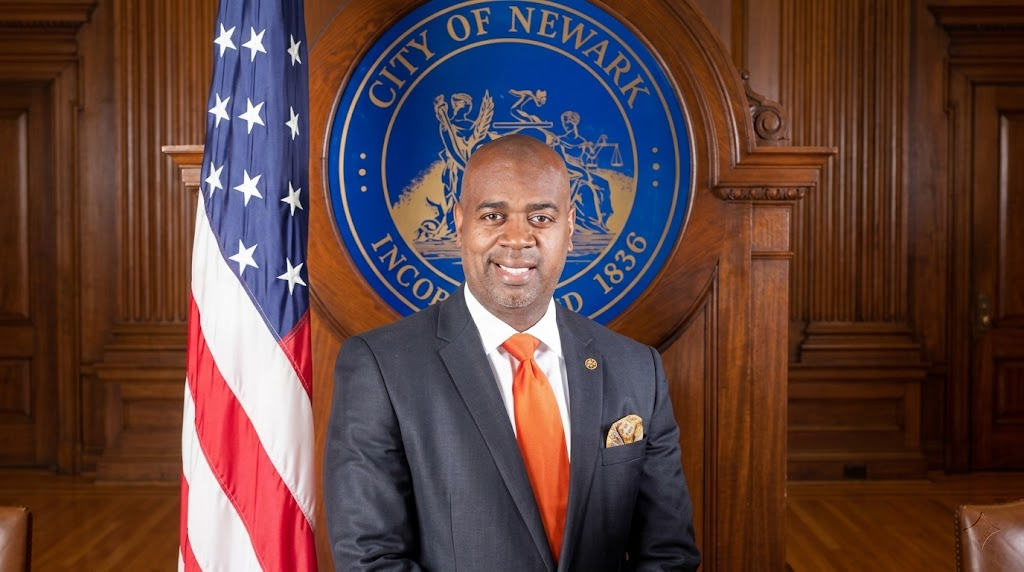
A lawsuit involving Newark Mayor Ras Baraka over Delaney Hall has triggered legal and political debate, raising questions about authority, immigration enforcement, and public facility access rights.
WEBDESK – NJNEWSLINE
Court Battle Emerges Over Delaney Hall Incident
New Jersey politics has been thrown into controversy after a lawsuit was filed involving Newark Mayor Ras Baraka and an incident at Delaney Hall, a facility linked to federal immigration enforcement operations.
The case centers on allegations surrounding Baraka’s actions during a protest or visit to the facility, which escalated into a confrontation with authorities. The legal complaint argues that proper procedures were not followed, while supporters of the mayor claim he was exercising oversight and public accountability.
The situation has quickly gained attention across political circles, sparking debate over the limits of local authority versus federal jurisdiction in sensitive enforcement areas.
What Happened at Delaney Hall?
According to details referenced in the lawsuit, the incident occurred during a public demonstration and inspection-related visit involving the Newark mayor and activists. Delaney Hall, known for its role in immigration detention operations, has been a frequent site of protests in the past.
The lawsuit alleges that tensions escalated when officials attempted to restrict access to certain areas of the facility. This led to a confrontation, with conflicting accounts over whether proper authorization had been granted.
Supporters of Baraka argue that the visit was part of an effort to highlight transparency concerns, while opposing claims suggest that protocols governing access to federal or contracted facilities may have been violated.
Legal Questions Over Authority and Access
At the heart of the case are legal questions about who has the right to enter or oversee operations at facilities like Delaney Hall. The lawsuit reportedly challenges whether local officials can intervene in spaces tied to federal immigration enforcement.
Legal experts note that such disputes often hinge on jurisdictional boundaries, facility ownership, and security classification rules. If a facility is federally controlled or operated under contract, access rights can be significantly restricted.
This case could set a precedent for how far municipal leaders can go when attempting to inspect or engage with detention centers within their jurisdiction.
Political Reactions Divide Opinion
The lawsuit has triggered sharply divided reactions in New Jersey’s political landscape. Critics of the mayor argue that local officials must respect established legal boundaries, especially in federal enforcement matters.
On the other hand, supporters view the incident as part of broader concerns over transparency and accountability in detention facilities. They argue that elected officials have a responsibility to ensure humane and lawful conditions in such centers.
The controversy has also intensified ongoing national debates over immigration policy, enforcement practices, and the role of local governments in federal systems.
Delaney Hall’s History of Scrutiny
Delaney Hall is not new to public attention. The facility has been associated with immigration detention operations and has previously faced criticism from advocacy groups regarding conditions and oversight.
Activists have frequently called for increased transparency, arguing that facilities involved in detention should be open to public and official scrutiny. These concerns have fueled repeated demonstrations and political visits over the years.
The latest lawsuit adds another layer of scrutiny to the facility, placing it once again at the center of political and legal debate.
Mayor Ras Baraka’s Position and Response
Ras Baraka, who has been a vocal figure in Newark politics, has long positioned himself as an advocate for social justice issues, including immigration reform and community oversight.
In response to the lawsuit, supporters of the mayor argue that his involvement at Delaney Hall was aligned with his broader commitment to transparency and civic engagement. They maintain that elected officials should be allowed to observe facilities impacting their communities.
However, opponents argue that even public officials must follow established protocols when entering secured or regulated sites, regardless of intent.
Broader Implications for Local Governments
Legal analysts suggest that the outcome of this lawsuit could influence how local governments interact with federal or privately operated facilities in the future.
If courts side with strict access limitations, municipal leaders may face tighter restrictions when attempting oversight visits. Conversely, a ruling in favor of broader access could expand the role of local officials in monitoring such institutions.
This case highlights a growing tension in the United States between local governance authority and federal enforcement systems.
Public Debate Intensifies
As news of the lawsuit spreads, public debate continues to grow. Community groups, legal experts, and political commentators are weighing in on whether the incident represents an overreach of authority or a justified act of civic oversight.
Social media discussions reflect a deeply divided public, with some emphasizing legal compliance and others focusing on transparency and accountability in detention practices.
The case is expected to remain in the spotlight as legal proceedings move forward.
What Happens Next?
The lawsuit will proceed through the legal system, where courts are expected to examine the facts surrounding access, authorization, and conduct during the Delaney Hall incident.
Both sides are preparing arguments that could shape not only the outcome of this case but also future interactions between local leaders and enforcement facilities.
Observers say the next hearings will be crucial in determining how the situation unfolds and whether it escalates further in political significance.
Conclusion
The lawsuit involving Ras Baraka and Delaney Hall has evolved into more than just a legal dispute—it has become a focal point in discussions about authority, transparency, and the limits of local governance.
As the case progresses, it is likely to remain a major topic in both legal and political arenas, with implications that could extend far beyond Newark.
