

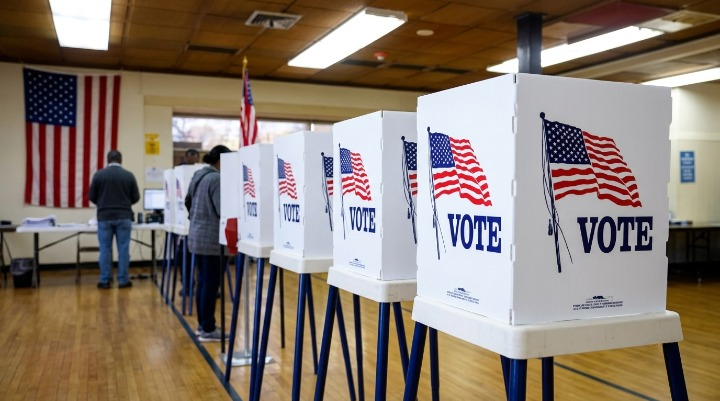
A New Jersey illegal voting investigation has renewed focus on election integrity, voter eligibility rules, and enforcement as authorities continue examining the circumstances surrounding the case.
WEBDESK – NJNEWSLINE
Illegal Voting Investigation Brings New Focus to Election Rules
Authorities in New Jersey are investigating an alleged illegal voting case, renewing public attention on election procedures and voter eligibility requirements.
Officials say the investigation is ongoing as they examine evidence to determine whether state election laws were violated. The case has generated interest because of its potential legal and political implications.
Election authorities emphasized that allegations remain subject to investigation and due process.
Investigation Moves Forward
Law enforcement agencies are reviewing records, documentation, and other evidence connected to the alleged voting violation.
Officials have not disclosed every detail of the investigation but confirmed that the matter is being handled through the appropriate legal channels.
Investigators are expected to determine whether criminal charges are warranted based on the available evidence.
The case remains active while authorities continue gathering information.
Understanding Voting Eligibility
Election laws require voters to meet specific eligibility criteria before casting a ballot.
Requirements generally include citizenship, residency, age, and voter registration under applicable state laws.
Officials regularly remind residents to verify their eligibility before participating in elections.
Violations of election laws can result in criminal penalties depending on the circumstances.
Why Election Integrity Matters
Election systems rely on public confidence that every eligible vote is counted fairly.
Authorities say investigating potential violations helps maintain trust in the democratic process.
Election administrators also emphasize that safeguards are designed to identify irregularities and ensure compliance with state and federal laws.
Transparency during investigations remains an important part of maintaining public confidence.
Legal Process Will Determine the Outcome
The filing of an investigation does not determine guilt.
If charges are filed, prosecutors must present evidence supporting the allegations in court.
The accused would have the opportunity to respond through the judicial process.
Legal experts note that every election-related case is evaluated according to its specific facts and applicable law.
Public Debate Continues
Election-related investigations often generate significant public discussion.
Supporters of stronger enforcement argue that accountability protects election integrity, while others emphasize the importance of avoiding conclusions before investigations are complete.
Officials continue urging the public to rely on verified information as the case develops.
Authorities have indicated that additional updates will be provided if new developments occur.
Safeguards in Modern Elections
Election officials use multiple procedures to verify voter registration and ballot processing.
These measures include registration checks, identity verification where required by law, and post-election audits in some jurisdictions.
Such safeguards are intended to reduce errors and strengthen confidence in election administration.
Officials encourage voters to follow official guidance when registering or updating their information.
The investigation is expected to continue until authorities complete their review of the available evidence.
Any future legal action will depend on investigative findings and prosecutorial decisions.
Court proceedings, if initiated, would determine the outcome under applicable laws.
Officials say the public will be informed of significant developments as they occur.
The New Jersey illegal voting investigation has brought renewed attention to election laws and voter eligibility.
While the inquiry continues, officials stress the importance of due process and evidence-based decision-making.
The case is likely to remain under close public and legal scrutiny as investigators work toward a conclusion.
