
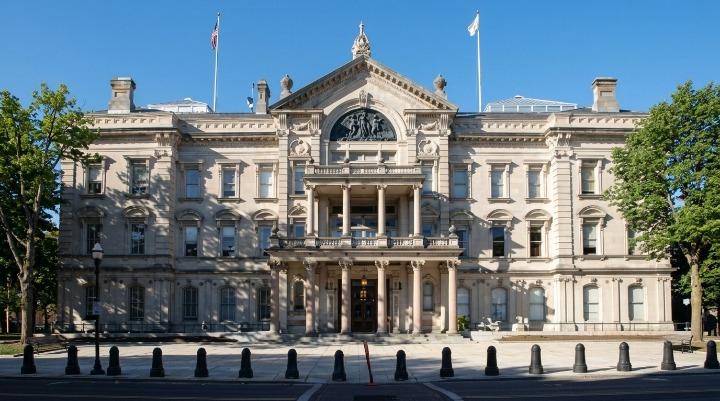
New Jersey lawmakers continue negotiating the state budget, working toward a final agreement before the deadline while debating spending priorities, public services, taxes, and funding allocations.
WEBDESK – NJNEWSLINE
New Jersey Budget Negotiations Enter Critical Stage Before Deadline
New Jersey lawmakers are continuing negotiations on the state’s next budget as leaders work to finalize a spending plan before the legal deadline.
Discussions remain focused on funding priorities, government programs, and balancing fiscal responsibilities while maintaining essential public services. Officials say progress has been made, but several issues still require agreement.
The budget process is one of the most significant annual responsibilities for state government.
Lawmakers Continue Budget Talks
Legislative leaders and executive officials remain engaged in discussions aimed at reaching a final agreement.
Budget negotiations typically involve reviewing projected revenue, expected expenditures, and long-term financial obligations.
Officials continue working through remaining policy differences while attempting to avoid delays.
A completed budget is required to ensure uninterrupted government operations.
Spending Priorities Under Review
Negotiators are evaluating funding for education, transportation, healthcare, infrastructure, and other major public services.
Each spending decision must fit within projected state revenues while addressing public needs.
Budget planners are also reviewing investments designed to support economic growth and community development.
Balancing competing priorities remains one of the biggest challenges.
Deadline Increases Pressure
As the budget deadline approaches, lawmakers face increased pressure to complete negotiations.
Failure to approve a budget before the required date could disrupt certain government functions.
Legislative leaders have expressed confidence that discussions will continue until an agreement is reached.
Budget negotiations often become more active as deadlines draw closer.
Financial Planning Remains Central
Developing a balanced budget requires careful analysis of expected income and expenditures.
Officials continue reviewing tax collections, economic forecasts, and long-term fiscal projections.
Budget decisions made now may influence future financial planning for years ahead.
Fiscal responsibility remains a central objective throughout negotiations.
Public Services in Focus
Funding decisions affect a wide range of government programs used by residents every day.
Education, healthcare, transportation, emergency services, and infrastructure projects are among the areas receiving close attention.
Officials say maintaining reliable public services remains a priority during negotiations.
Lawmakers continue evaluating how resources can be distributed effectively.
Economic Impact of the Budget
State budgets influence government investment, employment, and public projects.
Business groups, local governments, and community organizations closely monitor the outcome of negotiations.
Financial certainty can help agencies and organizations plan future operations more effectively.
The final budget may also shape broader economic activity throughout the state.
What Happens After Approval?
Once lawmakers reach an agreement, the proposed budget moves through the legislative approval process.
After legislative action, the governor reviews the budget before it becomes law.
State agencies then begin implementing approved funding plans for the new fiscal year.
Budget execution continues throughout the year as spending is monitored.
Residents Await Final Details
Many residents are watching negotiations closely because budget decisions affect public programs and government operations.
Community organizations, local officials, educators, and business leaders continue following developments.
Additional information is expected once lawmakers finalize the agreement.
Officials say transparency remains important throughout the budget process.
Negotiations are expected to continue until outstanding issues are resolved.
Legislative leaders remain optimistic that an agreement can be completed before the deadline.
Attention will then shift toward implementing approved spending plans and monitoring their impact.
The coming days will be critical in determining the final outcome.
The New Jersey budget negotiations have entered one of their most important stages as lawmakers work toward a final agreement.
The decisions made during these discussions will help determine funding priorities and government operations for the coming fiscal year.
Residents and public institutions now await the completed budget as the legislative deadline approaches.
