
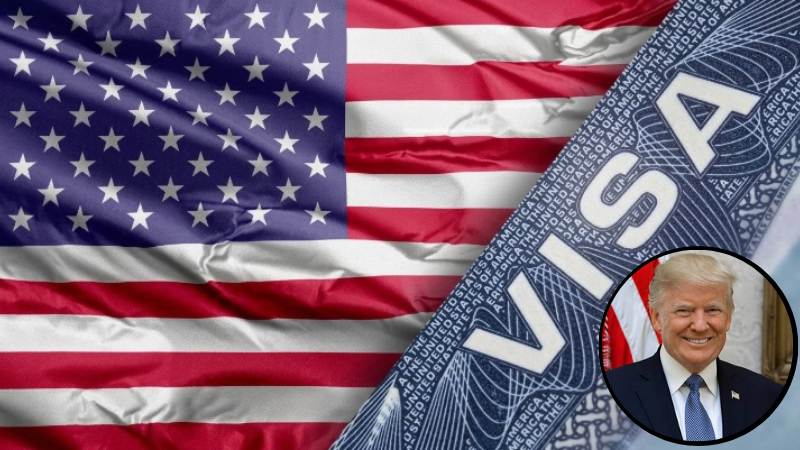
Stricter US visa screening under the Trump administration could affect New Jersey universities, international students and journalists, with expanded background checks expected to lengthen visa processing times.
WEBDESK – NJNEWSLINE
The Trump administration has announced stricter visa screening measures for foreign students and journalists, a policy shift that could have significant implications for New Jersey’s universities, international researchers and media professionals. The updated requirements introduce expanded background checks and additional scrutiny during the visa application process.
New Jersey Universities Watching Closely
New Jersey is home to several institutions that enroll thousands of international students each year, making the new visa measures particularly relevant across the state.
University officials are expected to monitor how the policy affects admission timelines, research programs and student enrollment for upcoming academic terms.
Expanded Screening Introduced for Visa Applicants
Under the revised policy, certain foreign applicants may undergo more extensive screening before receiving U.S. visas.
Officials say the process could include additional reviews of travel records, publicly available online activity and other supporting documentation permitted under existing immigration laws.
Students May Experience Longer Processing Times
Education consultants believe the enhanced security checks could extend visa processing for many applicants.
Students planning to begin classes in the United States are being encouraged to complete their paperwork early and remain in contact with their universities throughout the application process.
Journalists Could Face Additional Verification
Foreign journalists applying to work or report in the United States may also encounter stricter documentation requirements.
Media organizations have expressed concern that additional reviews could delay reporting assignments and international news coverage.
Administration Says Changes Strengthen Security
Federal officials say the revised screening procedures are intended to improve national security while ensuring immigration laws are properly enforced.
According to the administration, stronger vetting is designed to identify potential security risks before visas are approved.
Colleges Assess Potential Impact
Higher education leaders are evaluating how the new policy may influence international recruitment.
International students contribute to campus diversity, academic research and university finances, making visa accessibility an important issue for many institutions.
Experts Warn of Global Competition
Education specialists say increased visa hurdles could encourage some students to choose alternative destinations such as Canada, Australia or the United Kingdom.
They note that global competition for talented students continues to grow as countries seek to attract international researchers and skilled graduates.
Travel Industry Also Monitoring Developments
Organizations involved in education consulting and international travel are closely following implementation of the new rules.
Many advisers are recommending that applicants begin the visa process earlier than usual to reduce the risk of delays before academic sessions begin.
Applicants Encouraged to Prepare Carefully
Immigration professionals advise students and journalists to submit complete, accurate documentation and respond promptly to any requests from U.S. authorities.
Careful preparation, they say, can help avoid unnecessary processing delays.
Policy Expected to Influence Future Applications
As the updated screening measures take effect, universities, students and media organizations will be watching how the policy shapes future visa approvals.
The long-term impact will become clearer as applicants begin moving through the revised review process and institutions adjust to the new requirements.
