

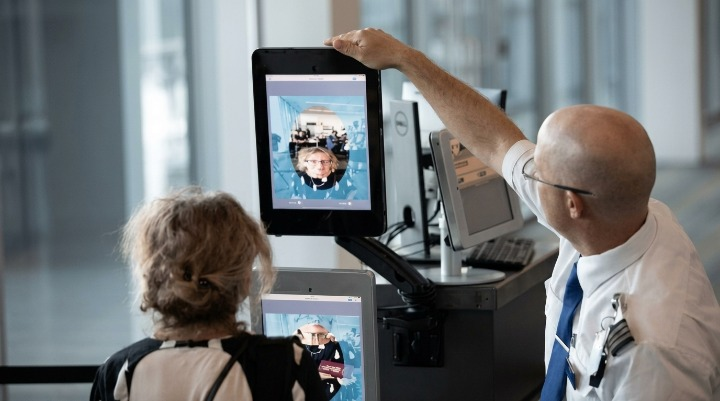
The TSA’s facial recognition program is expanding at U.S. airports, raising questions about privacy, security and travelers’ rights as more passengers encounter biometric screening technology.
WEBDESK – NJNEWSLINE
The U.S. Transportation Security Administration (TSA) is expanding its facial recognition technology at airports across the country, making biometric identity checks a growing part of the travel experience.
While officials say the technology is designed to improve security and speed up passenger verification, privacy advocates continue raising concerns about how facial data is collected, stored and used. As more airports adopt the system, travelers are being encouraged to understand how the technology works and what choices they have before arriving at security checkpoints.
Facial Recognition Becoming More Common at Airports
The TSA has gradually introduced facial recognition systems at dozens of airports throughout the United States.
Instead of relying only on a boarding pass and physical identification, passengers may now be asked to look into a camera that compares their live image with the photo stored on their government-issued identification.
Officials say the process usually takes only a few seconds and is intended to make identity verification more efficient.
How the Technology Works
The facial recognition system captures a live image of the traveler and compares it with the digital photograph from an approved identity document, such as a passport or driver’s license.
If the images match, the passenger continues through the security process. If the system cannot verify the identity, a TSA officer performs a manual identity check.
According to TSA, the technology is designed to support—not replace—security officers.
Travelers Can Decline the Scan
One of the most important things passengers should know is that participation remains voluntary.
Travelers who are uncomfortable using facial recognition can request a traditional identity verification process instead. TSA says declining the biometric scan will not result in penalties or delays beyond the normal document inspection process.
Officials recommend informing the officer if you prefer not to participate.
TSA Says Privacy Protections Are in Place
The agency says it has implemented several privacy safeguards while using facial recognition technology.
According to TSA, the system generally does not permanently store photos of U.S. citizens during routine identity verification. Images are typically deleted after the verification process unless required for limited testing or security purposes under strict policies.
The agency also says the technology is regularly evaluated for accuracy and compliance with privacy standards.
Privacy Advocates Continue Raising Questions
Despite TSA’s assurances, digital rights organizations remain concerned about the growing use of biometric technology.
Critics argue that facial recognition systems could eventually expand beyond airport security, creating broader surveillance concerns if regulations are not clearly defined.
Some privacy experts are also calling for stronger transparency regarding how biometric information is handled and protected.
Supporters Say It Improves Security
Supporters of facial recognition believe the technology helps strengthen airport security by reducing identity fraud.
Automated verification can also shorten document checks, allowing security officers to focus on higher-risk situations while improving passenger flow during busy travel periods.
Several international airports have already integrated biometric screening into various stages of the travel process.
More Airports Expected to Adopt the System
The TSA plans to continue expanding facial recognition technology as part of its broader modernization efforts.
As additional airports receive the equipment, more travelers are expected to encounter biometric identity verification during domestic and international journeys.
Officials say expansion will depend on operational requirements and ongoing testing.
Travelers Should Know Their Rights
Passengers are encouraged to understand the screening process before arriving at the airport.
Those who prefer traditional identification checks should communicate their preference clearly to TSA officers. Carrying valid identification remains mandatory regardless of whether facial recognition is used.
Being informed can help travelers avoid confusion during security screening.
Technology Continues Changing Air Travel
Facial recognition is only one of several technologies transforming airport operations.
Digital boarding passes, automated baggage systems, biometric passports and AI-powered security tools are becoming increasingly common as airports seek to improve efficiency while maintaining security standards.
Industry experts believe these technologies will continue evolving in the coming years.
Debate Over Convenience and Privacy Continues
The expansion of facial recognition highlights the ongoing balance between convenience and personal privacy.
While many travelers appreciate faster screening procedures, others remain cautious about sharing biometric information with government agencies.
As adoption increases, discussions surrounding data protection, transparency and passenger choice are expected to continue.
Travelers Encouraged to Stay Informed
TSA advises passengers to review official guidance before traveling, especially if flying through airports where facial recognition systems are available.
Understanding how the technology works—and knowing that participation remains optional—can help travelers make informed decisions while moving through airport security.
