

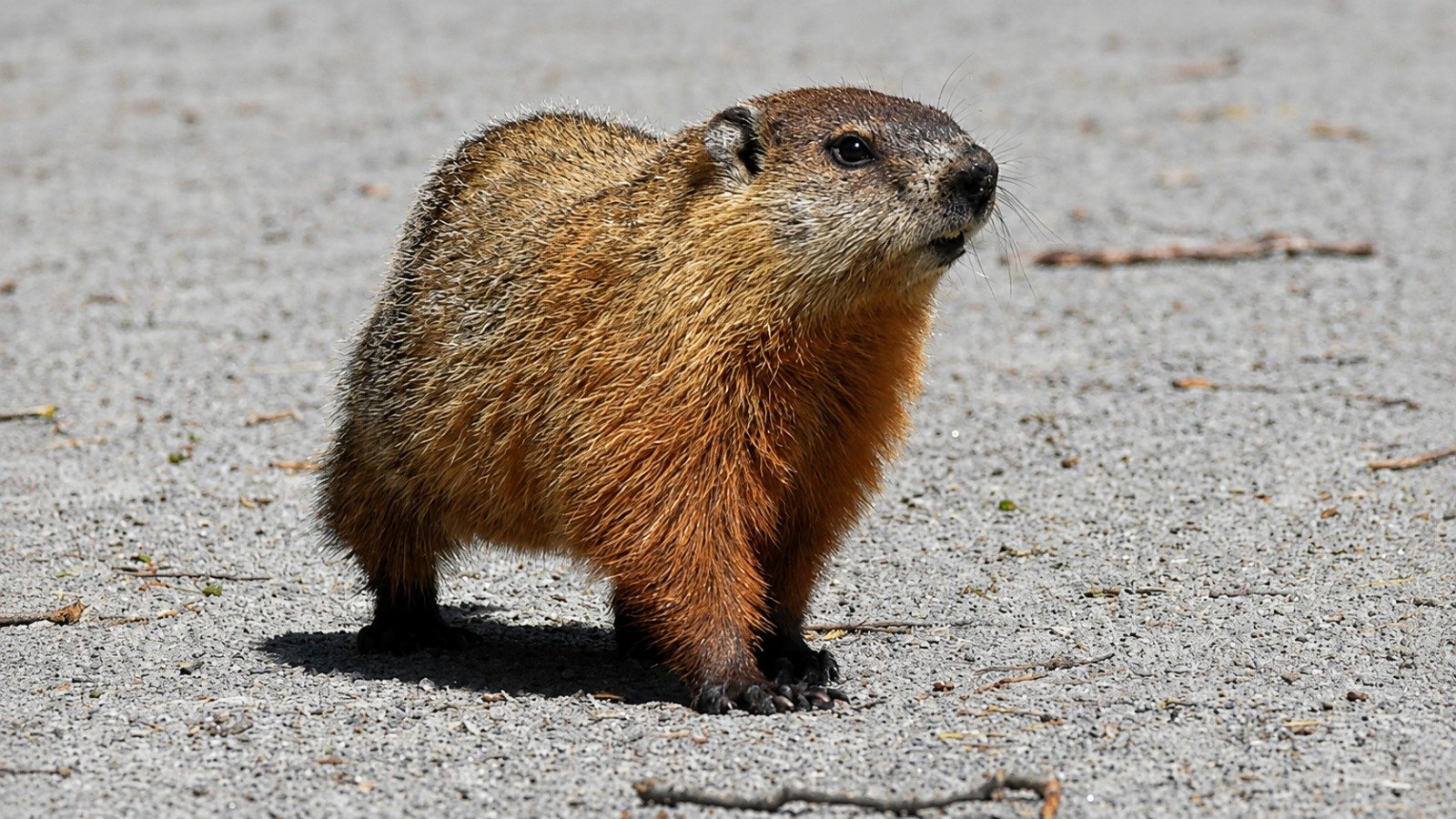
A Mullica Township homeowner is receiving rabies treatment after being attacked by a groundhog that later tested positive, while two exposed cats remain under quarantine.
WEBDESK – HAJIRA IRFAN – NJNEWSLINE
Groundhog Attack Takes an Unexpected Turn
What began as a wildlife encounter quickly became a serious public health concern for a Mullica Township homeowner?
The resident is undergoing post-exposure rabies treatment after being attacked by a groundhog near the 1300 block of Weeks town Road on July 27, according to the Atlantic County Division of Public Health. After the incident, officials recovered the animal and sent it to a New Jersey state laboratory, where testing confirmed several days later that it was infected with rabies.
Because rabies can be prevented if treatment begins promptly after exposure, the homeowner started post-exposure prophylaxis shortly after the attack.
Investigation Finds Two Pets Were Also Exposed
The public health investigation found that the infected groundhog had also come into contact with two outdoor cats.
As a precaution, both animals have been placed under a four-month observation confinement period, following state public health guidelines. Officials have not reported any additional human or animal exposures linked to the incident.
The investigation remains focused on ensuring no further risk resulted from the confirmed rabies case.
Atlantic County Records Its Second Rabies Case of 2026
Health officials said the infected groundhog marks Atlantic County’s second confirmed rabies case this year.
The first case was identified in late January, when a raccoon in Mullica Township tested positive for the virus. Although confirmed rabies cases are relatively uncommon, health authorities continue monitoring local wildlife because infected animals can expose both people and pets before showing obvious signs of illness.
Why Immediate Treatment Matters
Rabies attacks the brain and nervous system and is considered almost always fatal once symptoms develop. The good news, health experts say, is that the disease is highly preventable when medical treatment begins soon after exposure.
The virus spreads through the saliva of an infected animal, most commonly through bites. It can also enter the body if saliva comes into contact with broken skin or the mucous membranes of the eyes, nose, or mouth.
Wild animals such as raccoons, bats, foxes, skunks and, less commonly, groundhogs can all carry the virus.
What Residents Should Do After a Wildlife Encounter
Health officials are urging residents to avoid approaching wild animals, particularly those behaving aggressively, acting unusually tame, or appearing sick or disoriented.
Pet owners should ensure their animals’ rabies vaccinations are current and immediately report any contact between pets and wild animals to local health authorities.
Anyone bitten or exposed to a potentially rabid animal should wash the affected area thoroughly with soap and water and seek medical care without delay.
A Reminder That Even Rare Encounters Can Become Serious
While attacks involving rabid groundhogs are uncommon, officials say this case shows why every wildlife bite should be taken seriously. Quick reporting, laboratory testing and timely medical treatment helped health authorities respond rapidly after the July 27 incident.
The Atlantic County Division of Public Health continues to remind residents that avoiding contact with wild animals and seeking immediate medical advice after a bite remain the most effective ways to reduce the risk of rabies and protect both people and pets.
