
A New Jersey family alleges an organ procurement organization pursued organ recovery after their loved one was declared brain-dead, despite claims he had revoked his organ donor registration.
WEBDESK – HAJIRA IRFAN – NJNEWSLINE
A Final Goodbye Interrupted by an Unexpected Fight
The Lott family expected their final hours together to be filled with quiet goodbyes.
Instead, they say those moments turned into a painful dispute that has now raised serious questions about organ donation, patient consent, and the rights of grieving families.
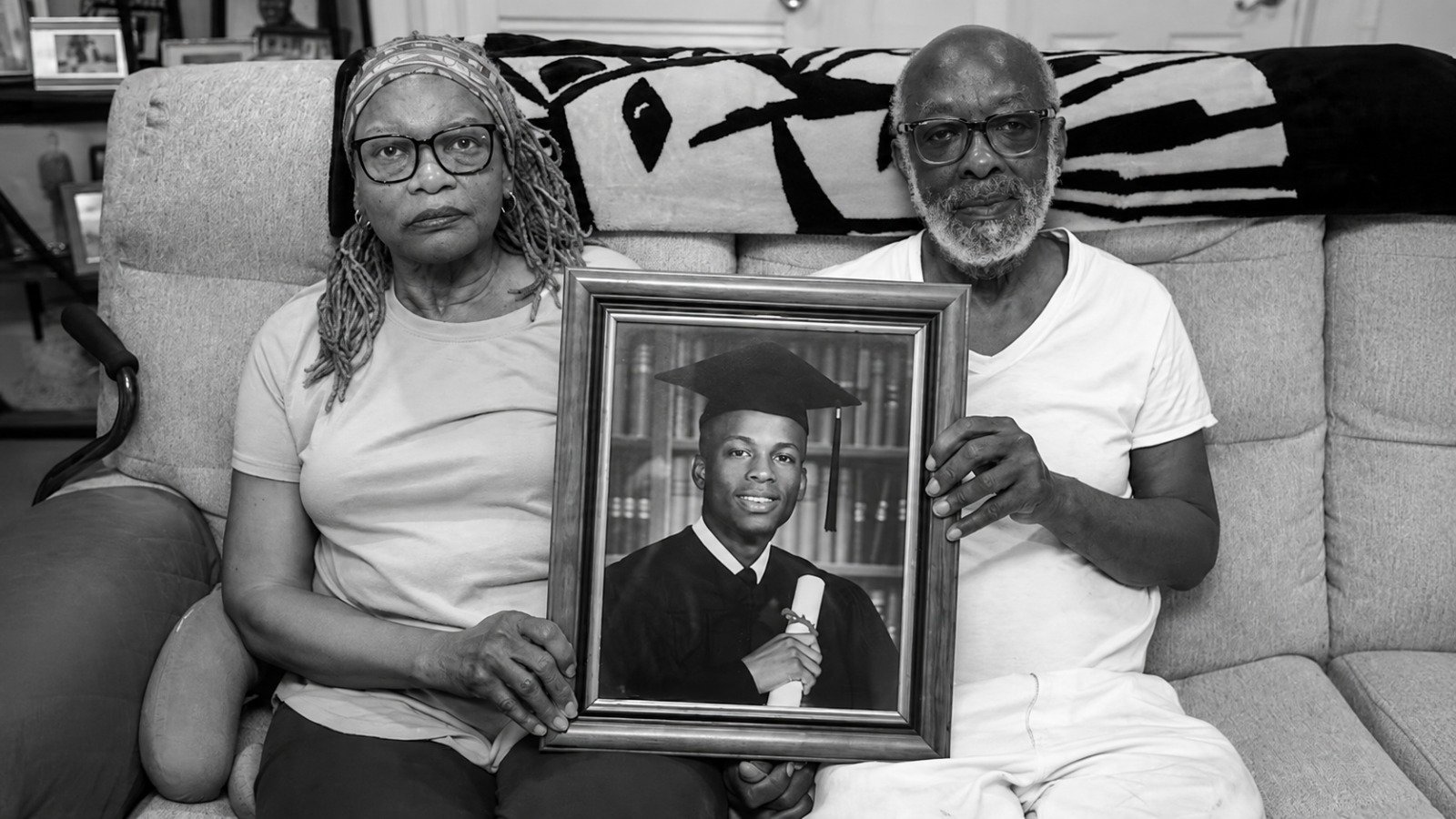
As life-support machines continued to hum inside the hospital room, Keith Lott’s parents stood beside their son’s bed after doctors declared him brain-dead. Rather than focusing solely on their farewell, they say they found themselves arguing over whether his organs could still be recovered.
According to the family, Keith was no longer registered as an organ donor. Yet they allege an organ procurement organization insisted it still had the authority to move forward.
Family Says Their Son’s Wishes Were Ignored
The family’s central claim is that Keith had already removed himself from the organ donor registry before his death. They argue that despite informing those involved of this decision, representatives connected to the organ recovery process continued pursuing organ donation. The allegations have not been proven in court, and based on the publicly available information, I cannot confirm the organ procurement organization’s response to the family’s claims.
Why the Case Matters Beyond One Family
The dispute has drawn attention to an issue that affects thousands of families each year, how organ donation decisions are handled when questions arise over a patient’s final wishes. While organ transplantation saves countless lives, experts agree that the process depends on clear documentation, informed consent, and careful communication between hospitals, organ procurement organizations, and families. When disagreements occur during emotionally charged situations, they can quickly become legal as well as ethical disputes.
A Growing Debate Over Consent
The family’s allegations are likely to add to ongoing conversations about transparency in organ donation procedures. Healthcare professionals and patient advocates have long emphasized the need for accurate donor records and respectful communication whenever a family’s understanding of a loved one’s wishes differs from the information available to medical teams. If the case proceeds through the courts, it could help clarify how similar disputes should be handled in the future and whether additional safeguards are needed when donor status is questioned.
More Than a Court Case
For the Lott family, this is about far more than legal arguments or medical policies. They say it is about honoring what they believe were Keith’s final wishes during the most difficult moment of their lives.
As the case unfolds, it is expected to draw close attention from healthcare providers, legal experts, and families alike. Whatever the legal outcome, the dispute highlights a deeply emotional question: when every minute matters, how can hospitals ensure that a patient’s final choices are respected while preserving public trust in the organ donation system?
