

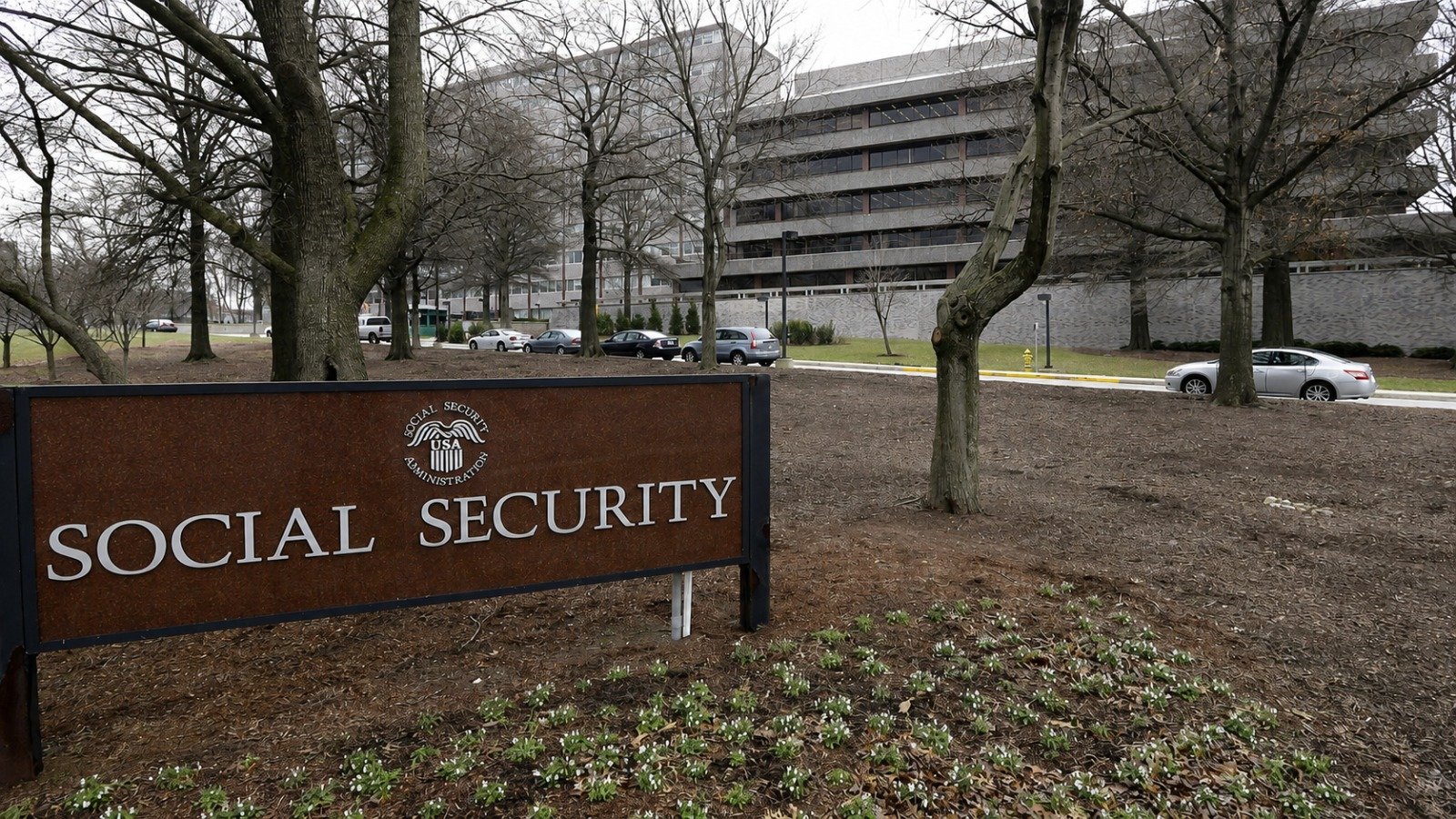
AARP’s latest analysis identifies 10 states where Social Security covers the largest share of retirees’ basic expenses, with Indiana ranking first at 87.2% in 2025.
WEBDESK – HAJIRA IRFAN – NJNEWSLINE
For millions of retirees, Social Security is more than a monthly check it can determine whether essential bills are manageable or become a financial strain. According to AARP, 42% of American women and 37% of men rely on Social Security for at least half of their income. AARP updated its analysis on June 10, 2026, using 2025 Social Security benefit and cost-of-living data to compare how far benefits stretch across the country.
That makes one question particularly important: Where does that money stretch the furthest?
AARP’s analysis compared average Social Security retirement benefits with basic living expenses using the Elder Index, developed by the Gerontology Institute at the University of Massachusetts Boston. The results show a clear gap between states where benefits cover most basic needs and places where retirees face substantially higher costs.
Indiana Takes the Top Spot
Indiana ranks first, with an average monthly Social Security benefit of $2,034 covering 87.2% of estimated basic monthly expenses.
The state’s estimated basic expenses came to about $2,332 per month for a single retiree in good health. AARP’s calculations average costs across three housing situations: renting, owning with a mortgage and owning without a mortgage.
Indiana’s position shows that the biggest Social Security check does not necessarily provide the greatest purchasing power. What matters is the relationship between the benefit and the cost of meeting basic needs.
West Virginia and Alabama Follow
West Virginia takes second place. Its average monthly Social Security benefit of $1,898 covered approximately 86.2% of basic expenses.
Alabama ranked third, with an average benefit of $1,920 covering 84.2% of estimated basic monthly costs.
The figures highlight an important retirement reality: benefit amounts and living costs have to be considered together. A retiree receiving a smaller check may still have more purchasing power if housing and other necessities cost less.
Michigan and South Carolina Reach the Top Five
Michigan ranks fourth, with an average monthly benefit of $2,066 covering 82.8% of basic expenses.
South Carolina follows in fifth place. Its average Social Security benefit of $1,996 covered 82.4% of estimated basic costs.
These figures are averages rather than guarantees. Individual retirees can face very different expenses depending on housing, health care needs, household size and other personal circumstances.
Five More States Make the List
The rest of the top 10 includes Delaware, Tennessee, Missouri, North Carolina and Kansas.
Delaware ranks sixth, despite having the highest average monthly benefit among the 10 states at $2,171. That benefit covered 81.7% of basic expenses.
Tennessee came seventh at 81.6%, followed by Missouri at 81.3%. North Carolina ranked ninth at 80.5%, while Kansas completed the top 10 at 80.4%.
The rankings demonstrate why a larger Social Security payment does not automatically translate into greater financial security. Local living costs can make a major difference.
Where Benefits Stretch the Least?
The contrast is particularly striking in higher-cost locations. AARP’s analysis found that Social Security covered a substantially smaller share of basic expenses in Washington, D.C., at 58.9%
The Elder Index considers necessities including housing, food, transportation and health care. It does not include discretionary expenses such as entertainment and recreation, and it does not account for state income and sales taxes.
That means the ranking should be viewed as a comparison of basic financial needs rather than a complete picture of retirement affordability.
Why Location Matters in Retirement?
Social Security benefits are primarily determined by a worker’s lifetime earnings and work history, rather than where that person eventually retires. But the purchasing power of those benefits can change considerably depending on local expenses.
For retirees considering a move, the lesson is straight forward: the size of a Social Security check is only part of the equation. The real question is how much of everyday life that check can pay for.
In states such as Indiana, West Virginia and Alabama, the answer is relatively favorable. In more expensive areas, the same federal benefit may cover a much smaller share of basic needs.
For retirees living on a fixed income, that difference is not just a statistic on a ranking ,it can determine how much money remains after the month’s essential bills are paid.
