

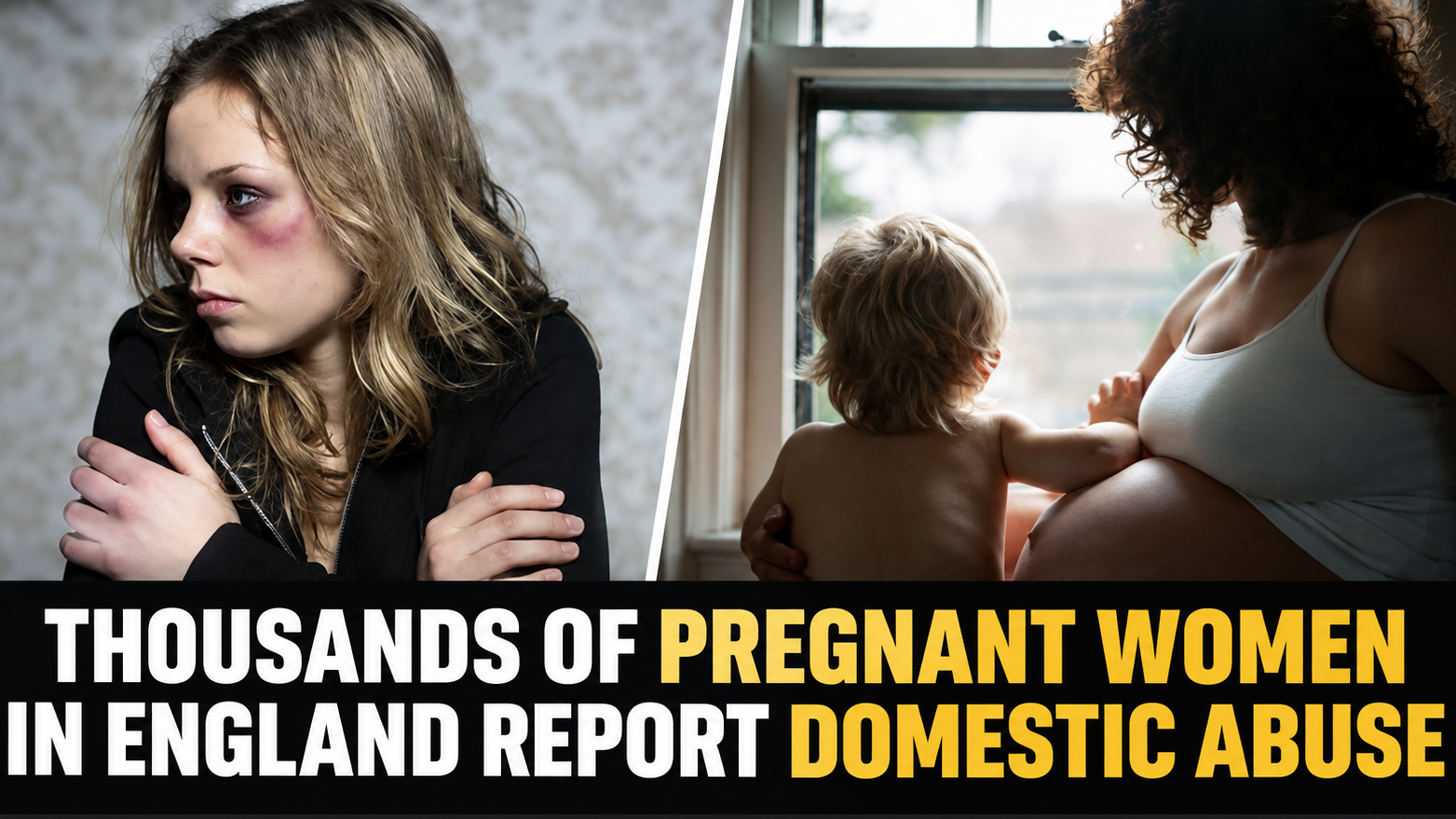
Around 20,000 domestic abuse disclosures are made to maternity services in England each year, highlighting the crucial role of midwives and growing pressure on frontline care.
WEBDESK – NJNEWSLINE
Around 20,000 disclosures of domestic abuse are estimated to be made to maternity services in England each year, according to an analysis that experts say may still underestimate the scale of the problem.
The analysis, based on data gathered by the For Baby’s Sake Trust, found that about 3.3% of maternity bookings at NHS trusts in England involved a disclosure of current or non-recent domestic abuse.
The estimate was calculated using data from 74 of 118 NHS trusts contacted by the charity, with figures based on a three-year average of the most recent available data. Applying the proportion to national maternity booking activity produced the estimate of about 20,000 disclosures annually.
Experts say the figure is likely to be an underestimate because domestic abuse is not always disclosed, while inconsistencies in recording practices can make the scale of the problem difficult to measure accurately.
Midwives play a critical role
The findings highlight the position of midwives, who may be among the few healthcare professionals to see pregnant women regularly and, importantly, have opportunities to speak with them privately.
Gill Walton, chief executive of the Royal College of Midwives, said the analysis reflected what maternity professionals encounter in their everyday work.
She said identifying abuse was only the first step and argued that maternity staff need specialist training, adequate time and sufficient resources to respond appropriately after a disclosure.
Veronica Oakeshott, interim head of external affairs at Women’s Aid, similarly said maternity staff have an important role in responding to domestic abuse but need greater support to understand what action should follow a disclosure.
That challenge comes as maternity services operate under significant pressure, including heavy workloads and staffing shortages.
Pregnancy seen as a critical intervention point
Judith Rees, chief operating officer and designated safeguarding lead at the For Baby’s Sake Trust, said the relationship between maternity professionals and parents could be crucial in identifying abuse.
She said pregnancy and the early postnatal period provide an important opportunity for professionals to recognize risk, offer support and connect families with specialist services.
The Trust has previously told Parliament that domestic abuse can have significant consequences for babies and children and has highlighted inconsistencies in how domestic abuse involving children is recorded across public services.
The organization has also argued that better data collection is needed to understand the scale of domestic abuse affecting babies and families and to assess whether interventions are working.
NHS says safeguarding training is mandatory
Kate Brintworth, chief midwifery officer for NHS England, said maternity and neonatal staff are committed to responding to disclosures with compassion and sensitivity.
She said NHS maternity workers receive mandatory safeguarding training as well as specialist training on asking sensitive questions about abuse. Staff can also refer women to specialist domestic abuse services for assistance with issues including housing and legal advice.
The analysis nevertheless underscores a key challenge for maternity services: identifying abuse is meaningful only if staff have the time, training and specialist support needed to act on what they are told.
For pregnant women experiencing domestic abuse, maternity appointments can therefore become an important point of contact with professionals outside the home. Ensuring those encounters lead to appropriate support remains a critical safeguarding issue for both parents and babies.
