

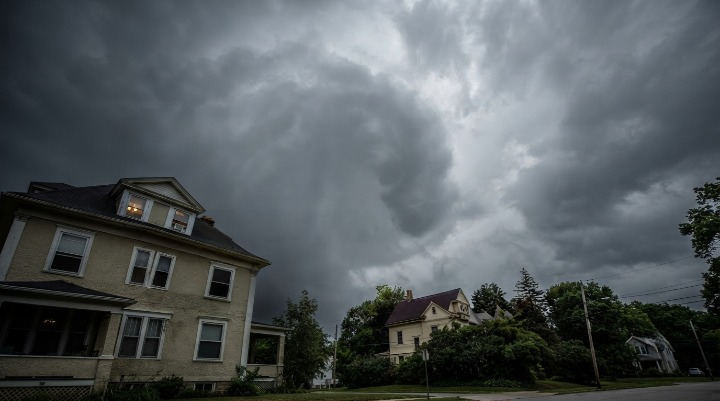
Rare July tornadoes have intensified severe weather concerns across New Jersey, prompting officials and residents to reassess storm preparedness as extreme summer weather becomes increasingly unpredictable.
WEBDESK – NJNEWSLINE
Summer Tornadoes Become a Growing Concern
Most people associate July in New Jersey with beach trips, heatwaves and afternoon thunderstorms—not tornadoes. Yet recent years have challenged that long-held belief, as severe storms capable of producing tornadoes have become increasingly noticeable during the middle of summer.
Weather specialists say the state has witnessed more tornado warnings and confirmed touchdowns in recent warm seasons than many residents remember. While tornadoes remain less common than in America’s traditional Tornado Alley, experts believe people should no longer dismiss the possibility of twisters forming during July.
Storms Are Becoming More Dangerous
Summer thunderstorms have always been part of New Jersey’s weather, but their intensity appears to be changing.
Instead of producing only heavy rainfall and lightning, many recent storms have brought powerful wind gusts, hail, flash flooding and, in some cases, tornadoes. Meteorologists warn that a single storm system can now generate multiple hazards within a short period, making preparation more important than ever.
Residents are being encouraged to treat severe thunderstorm warnings seriously because conditions can escalate quickly.
Why Tornadoes Are Appearing in July
Although tornadoes can develop during any season, July has traditionally been a quieter period for tornado activity in the region.
Experts explain that tornadoes require a unique combination of warm, humid air, atmospheric instability and changing wind speeds at different altitudes. In several recent summers, these ingredients have aligned more often than expected, creating favourable conditions for rotating thunderstorms capable of producing tornadoes.
While such events remain relatively uncommon, they are no longer considered unusual enough to ignore.
Heat and Humidity Play an Important Role
Meteorologists point to the combination of intense summer heat and abundant moisture as one of the key reasons behind stronger thunderstorms.
When cold fronts collide with very warm, humid air masses, the atmosphere becomes unstable. If stronger winds are also present higher in the atmosphere, thunderstorms can begin rotating and eventually develop into supercells—the type of storm most commonly associated with tornado formation.
Not every rotating storm produces a tornado, but the risk rises whenever these atmospheric ingredients come together.
Forecasting Has Improved Dramatically
One positive development is that weather forecasting technology continues to advance.
Modern Doppler radar systems, satellite imagery and computer forecast models allow meteorologists to detect storm rotation much earlier than in previous decades. This enables authorities to issue tornado watches and warnings faster, giving communities valuable time to take shelter.
Emergency alerts sent directly to smartphones have also become an important tool in protecting lives during severe weather events.
Preparedness Remains the Best Defence
Emergency officials continue reminding residents that preparation can make a significant difference during dangerous weather.
Families are encouraged to review emergency plans, know where the safest room inside their home is located and stay informed through reliable weather sources. Basements remain the safest option, while those without basements should move to an interior room on the lowest floor, away from windows.
Officials also advise postponing outdoor activities immediately whenever tornado warnings are issued.
Scientists Continue Studying Climate Trends
Researchers are still examining whether changing climate conditions are influencing tornado patterns across the northeastern United States.
Although scientists avoid linking individual tornadoes directly to climate change, many agree that warmer temperatures and increased atmospheric moisture can create conditions favourable for more intense thunderstorms.
Ongoing research aims to determine whether these weather patterns represent temporary fluctuations or part of a longer-term trend.
Communities Are Adapting to New Weather Risks
Local authorities across New Jersey have strengthened emergency planning following several years of active severe weather.
Schools, municipalities and emergency services now include tornado response plans alongside flood preparedness exercises. Public awareness campaigns also encourage residents to recognise that tornadoes are not limited to spring and can occur during summer under the right conditions.
The growing focus on preparedness reflects changing weather realities rather than unnecessary alarm.
Technology Helps Improve Early Warnings
Forecast accuracy has improved significantly thanks to advances in meteorology.
Powerful computer models now process enormous amounts of atmospheric data to identify areas where severe storms are most likely to develop. While predicting the exact location of a tornado remains challenging, experts can now recognise favourable conditions much earlier than before.
This additional warning time allows emergency agencies to respond more effectively and helps residents make safer decisions.
Summer Weather Requires Extra Attention
Weather experts believe severe thunderstorms will continue to be part of New Jersey’s summer climate.
Although July tornadoes remain relatively rare compared with other parts of the United States, recent seasons show they are no longer exceptional events. Residents are encouraged to monitor weather forecasts, respond promptly to official warnings and remain prepared whenever severe storms are expected.
As summer weather becomes increasingly unpredictable, awareness and preparation are proving just as important as enjoying the sunshine.
