

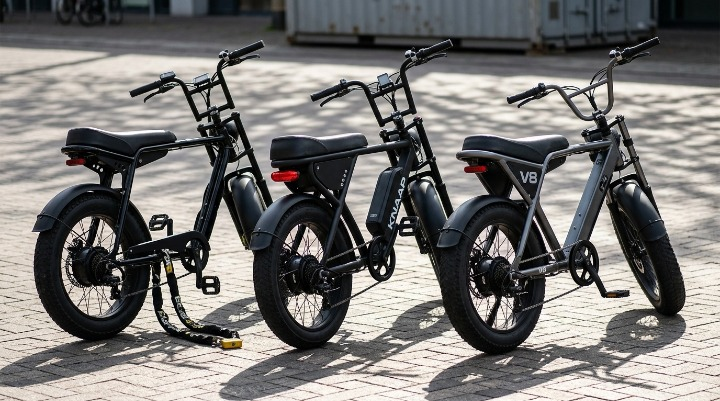
As teen e-bike deaths rise across New Jersey, families, safety advocates and lawmakers are questioning whether stricter regulations are preventing tragedies or creating new challenges.
WEBDESK – NJNEWSLINE
A rising number of fatal e-bike crashes involving teenagers has reignited debate across New Jersey, where the popularity of electric bicycles continues to grow despite stricter regulations introduced earlier this year.
While state officials believe tighter rules will improve road safety, critics argue the legislation places additional burdens on responsible riders without addressing the underlying causes of many serious crashes.
E-Bikes Become a Common Sight Across New Jersey
Electric bicycles have rapidly become one of the most popular transportation options for teenagers, commuters and delivery workers throughout the state.
Their affordability, convenience and lower running costs have encouraged thousands of residents to choose e-bikes for school, work and everyday travel, leading to a sharp increase in sales over recent years.
Fatal Incidents Trigger Public Concern
A series of deadly crashes involving young riders has brought renewed attention to e-bike safety.
Parents, teachers and road safety experts say limited riding experience, higher travel speeds and increasingly busy roads have combined to create greater risks for teenage riders. Hospitals have also reported more emergency admissions linked to e-bike accidents.
State Tightens Regulations
In response to growing safety concerns, New Jersey recently introduced stricter regulations for many e-bike users.
The new requirements include licensing, registration and insurance for certain categories of electric bikes. Officials say the measures are designed to improve accountability, encourage safer riding practices and reduce dangerous behavior on public roads.
Some Experts Remain Unconvinced
Not everyone believes the tougher regulations will prevent future tragedies.
Cycling organizations argue many of the most serious crashes involve powerful electric motorcycles rather than traditional pedal-assist e-bikes. They also believe the new rules may create unnecessary financial pressure for commuters, delivery workers and lower-income residents who depend on e-bikes as an affordable means of transportation.
Education Seen as an Important Solution
Transportation specialists say legislation alone cannot solve the growing safety challenge.
Many experts believe safer cycling infrastructure, dedicated bike lanes and stronger public education campaigns are equally important. They also encourage parents to ensure young riders wear helmets consistently and understand traffic rules before riding independently.
Communities Search for the Right Balance
The discussion has increasingly focused on balancing public safety with practical transportation needs.
Residents recognize that stronger protections are necessary to reduce accidents, but many also believe regulations should not discourage the use of environmentally friendly and affordable transport options. Policymakers continue reviewing ways to improve safety while supporting sustainable mobility.
Debate Expected to Continue
As electric bicycles become increasingly common across New Jersey, conversations about safety and regulation are likely to continue.
Government officials, community leaders and cycling advocates all agree that protecting young riders must remain the priority. The challenge now is finding solutions that reduce accidents while allowing residents to continue benefiting from one of the state’s fastest-growing transportation choices.
