

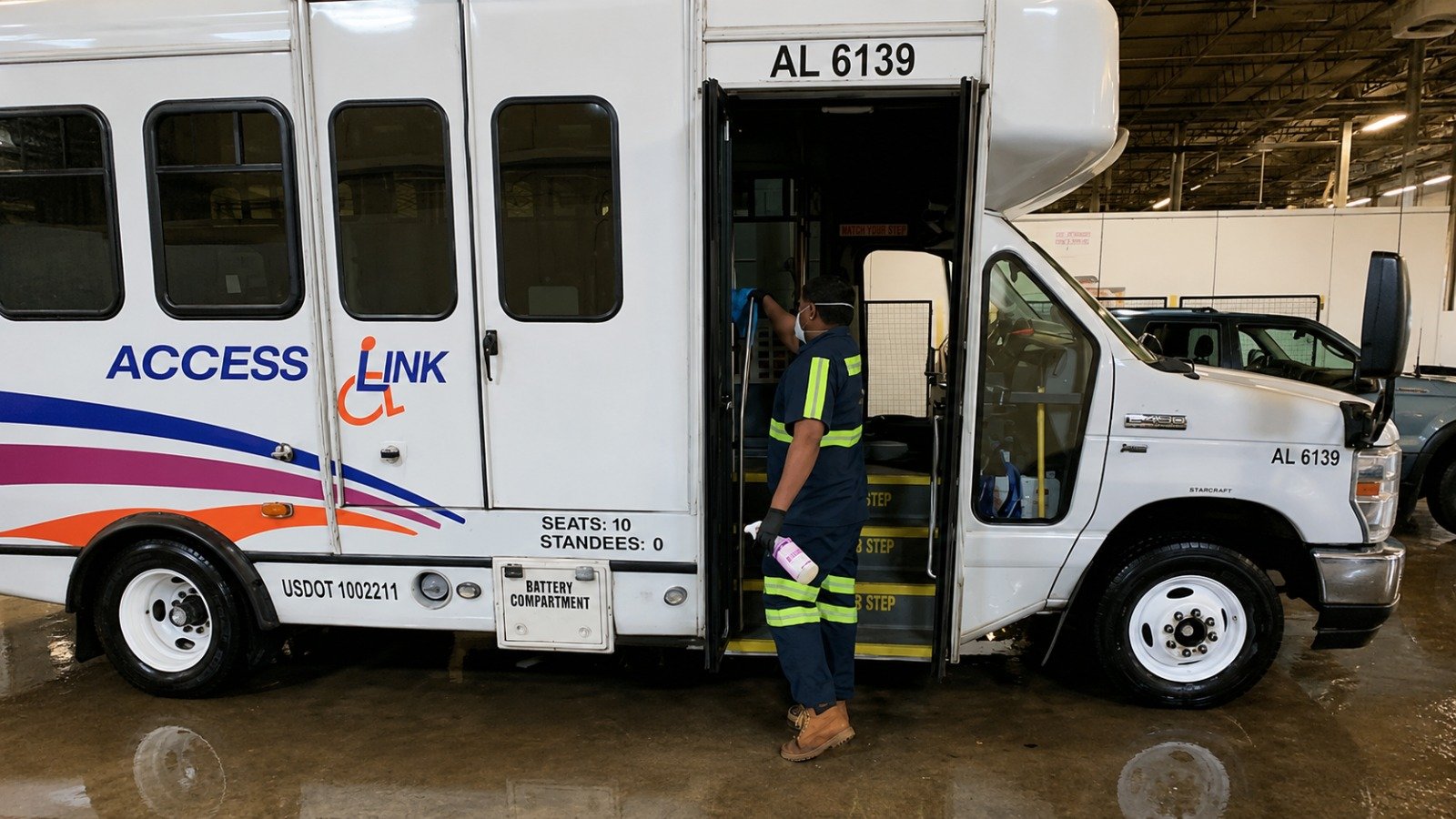
A new New Jersey law expands state funding for county micro transit programs, helping seniors and residents with disabilities reach work, healthcare, school and public transit.
WEBDESK – HAJIRA IRFAN – NJNEWSLINE
New Law Opens Door to More Accessible Transportation
For many older adults and people with disabilities, having transportation nearby does not always mean they can actually use it when they need it. A new New Jersey law aims to close that gap by making on-demand micro transit more widely available across the state.
Gov. Mikie Sherrill signed the legislation Friday after New Jersey lawmakers unanimously approved the bill in late June. The measure allows counties to seek state funding for micro transit services designed specifically to help seniors and residents with disabilities travel more easily.
The change could give counties another option for connecting residents with doctors’ appointments, workplaces, schools, shopping areas and existing public transportation.
Counties Can Now Seek State Funding
Under the new law, counties can apply for money through New Jersey’s senior citizen and disabled resident transportation assistance program to support micro transit services.
The state budget currently includes about $56 million for that transportation assistance fund, creating a potential source of financial support for counties looking to expand or introduce on-demand transportation.
Assemblyman Kenyatta Stewart, a Passaic Democrat who sponsored the legislation, said the issue is not simply whether transportation exists.
For seniors and residents with disabilities, he said, the bigger challenge can be getting transportation at the moment it is actually needed.
The legislation gives counties another tool to address that problem while helping residents remain connected to their communities.
On-Demand Rides Designed Around Riders’ Needs
Unlike traditional fixed-route transportation, micro transit allows riders to request shared rides based on where and when they need to travel.
The law defines on-demand micro transit as a shared motor-vehicle service in which riders can choose pickup and drop-off locations through a phone call or mobile application.
Transportation can then be provided at the rider’s selected time or as soon as possible after the request is made.
That flexibility could be particularly important for people who cannot easily reach conventional bus stops or depend on transportation for essential appointments and daily activities.
Existing Programs Show Micro transit’s Growing Reach
New Jersey already has several micro transit programs that demonstrate how the model can work.
Passaic County operates a Via service covering Passaic and Clifton, with rides costing $1.90. Trenton offers Go Trenton, where rides cost $2, while some eligible maternal health workers and women can access the service for free through a separate partnership.
NJ Transit also operates its Micro Link pilot program in several communities in Bergen and Monmouth counties.
The new law could make it easier for additional counties to pursue similar services for residents who need flexible transportation.
Millions of New Jersey Residents Could Benefit
The potential audience is significant. New Jersey has approximately 1.7 million seniors, representing about 18% of the state’s population.
More than 25,000 people with disabilities also receive services from the state, according to the information provided with the legislation.
For these residents, reliable transportation can affect far more than mobility. It can determine whether someone can attend a medical appointment, reach a job, access essential services or stay connected with family and the wider community.
Stewart said the goal is to help New Jersey residents maintain independence and remain connected.
Law Also Sets Rules for Funded Services
The legislation does not establish a single statewide model that every county must follow. Instead, it gives counties flexibility in developing their own programs.
However, it includes an important employment requirement.
Micro transit programs receiving funding through the transportation assistance program and operated by a county ,including those run through subcontractors must employ drivers as regular employees rather than independent contractors.
The law therefore combines expanded transportation access with requirements governing how publicly supported services operate.
For seniors and residents with disabilities who struggle with traditional transportation, the broader significance is straightforward: New Jersey is giving counties another way to bring transportation closer to the people who need it, when they need it most.
