

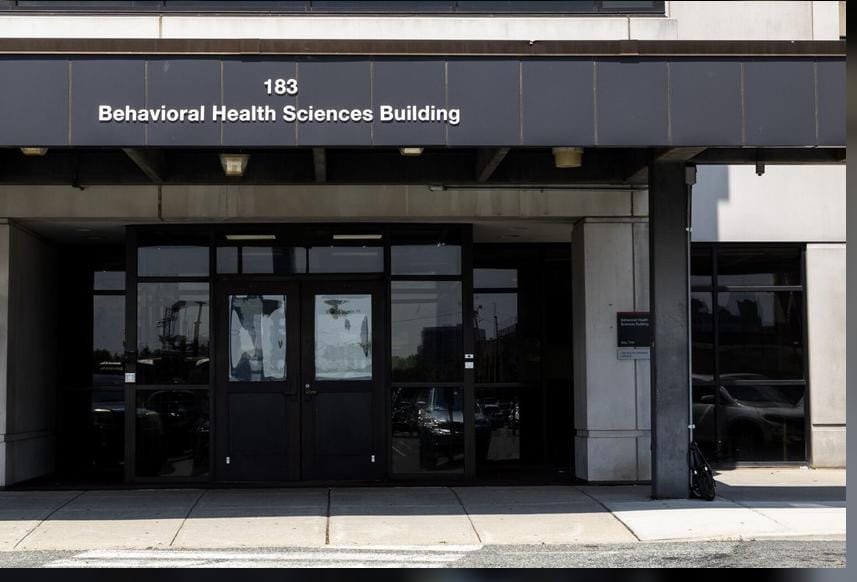
New Jersey’s new mental health crisis centers remain unopened because of a $29 million funding shortage, leaving residents without a key resource as demand for crisis care rises.
WEBDESK – HAJIRA IRFAN – NJNEWSLINE
Centers Ready to Help, But Doors Remain Closed
For people experiencing a mental health emergency, every minute can matter. But in New Jersey, a new network of crisis centers designed to provide immediate support remains unavailable because of a major funding gap.
Two facilities in Essex and Bergen counties are prepared to open, offering counseling, medication support, and connections to long-term treatment. Yet they have not welcomed a single patient because state funding needed to operate them has not been finalized.
Three additional centers planned for Camden, Monmouth, and Morris counties are also facing uncertain timelines.
“We’re stuck in limbo. That’s the most frustrating thing,” said Brigitte Johnson, president and CEO of Care Plus NJ, the organization behind the Bergen County facility in Paramus.
Missing Piece in New Jersey’s 988 Mental Health Response System
The crisis centers are designed to complete New Jersey’s three-part 988 response system, which connects people in crisis with emergency support through a hotline, mobile response teams, and in-person treatment locations.
Since the 988 hotline launched nationwide in 2022, calls for help in New Jersey have increased sharply. State officials say demand continues to grow as more residents seek support for mental health struggles, addiction issues, and suicidal thoughts.
The state has already created mobile crisis teams across all 21 counties, allowing trained professionals to respond directly to emergencies.
However, mental health advocates say the system remains incomplete without physical centers where people can receive immediate care outside traditional emergency rooms.
Providers Prepare Facilities While Waiting for Funding
In 2024, New Jersey awarded grants to five mental health organizations to establish crisis centers that would operate around the clock.
The facilities are expected to accept walk-in visitors, referrals from community organizations, and people brought by law enforcement. Services would be available regardless of a person’s ability to pay.
Care Plus NJ has already spent about $1 million preparing its Paramus center. The organization renovated space, hired leadership staff, and brought in medical professionals, but has paused additional hiring while waiting for financial support.
Officials estimate the full crisis response network will require significantly more funding to operate all five centers over the coming year.
Advocates Warn Delays Leave People With Few Options
Mental health advocates say the delay is affecting people who need help immediately.
Without dedicated crisis centers, many individuals experiencing psychiatric emergencies are forced to rely on hospital emergency rooms, which can be overwhelming environments for people already in distress.
Jennifer Hughes, CEO of NAMI New Jersey, said crisis centers are designed to provide a calmer setting where individuals can receive personalized treatment from mental health professionals and peer-support workers.
Advocates argue that people in crisis should have access to specialized care rather than waiting for help in emergency departments.
Lawmakers Push for Long-Term Solution
State Sen. Joe Vitale has called for additional funding to open the centers and create a permanent financial structure for New Jersey’s 988 system.
He said the hotline, mobile response teams, and crisis centers must function together to create a complete safety network.
Supporters are also pushing for a sustainable funding model so the centers do not have to fight for resources every year through the state budget process.
Families Continue Searching for Immediate Help
Mental health organizations say they receive urgent requests from families trying to help loved ones facing severe emotional or psychiatric crises.
Providers say many of these situations could be handled more effectively if crisis centers were already operating, allowing people to walk in and receive care without going through an emergency room.
A Crisis System Built on Hope, Waiting for the Final Step
New Jersey has spent years building its 988 crisis response system, but advocates say the final piece cannot remain unfinished.
The centers were created to provide a safer, faster, and more compassionate option for people during some of their most difficult moments.
Until funding is secured, however, these facilities will remain ready but unused while residents who need immediate mental health support continue waiting for a place designed specifically to help them.
