

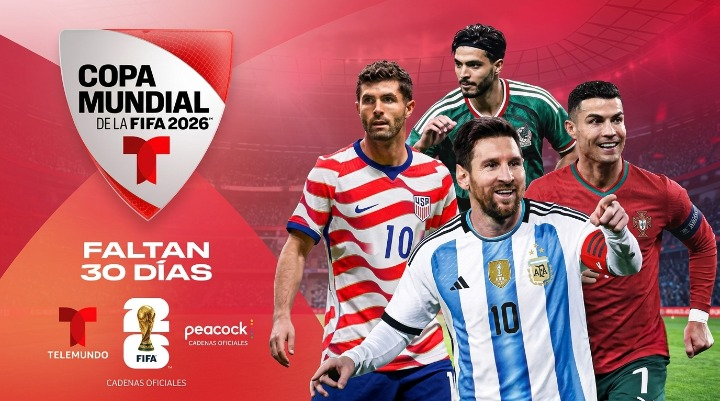
Spanish-language coverage for the 2026 FIFA World Cup expands across TV and streaming platforms, offering fans flexible access, enhanced commentary, and immersive global football viewing experiences worldwide.
WEBDESK – NJNEWSLINE
The global excitement around the 2026 FIFA World Cup is already building, and Spanish-speaking audiences are set to enjoy one of the most comprehensive broadcast experiences in tournament history. Fans will have access to matches across television and streaming platforms with full Spanish-language commentary.
With expanded media rights and digital platforms competing for viewership, coverage is expected to be more accessible than ever. Broadcasters are preparing multi-platform strategies to deliver live matches, highlights, and analysis in Spanish for millions of viewers.
As the tournament approaches, viewers are actively searching for clear guidance on where and how to watch every match without missing a moment of action.
Spanish Broadcast Rights Locked In Across Major Networks
Spanish-language coverage of the 2026 World Cup will be widely distributed across leading sports networks in key regions, especially in the United States. Major broadcasters are expected to deliver full match coverage, pre-game analysis, and post-match breakdowns.
Traditional television remains a central hub, with dedicated Spanish sports channels providing live commentary for all fixtures. These networks aim to ensure fans can follow their national teams in their preferred language.
The growing demand for bilingual and Spanish-first coverage has pushed broadcasters to invest heavily in commentary teams, studio shows, and match-day programming.
Key TV Channels Bringing Live Spanish Coverage
Spanish-speaking audiences can expect coverage through established sports networks that regularly broadcast global football tournaments. These include Spanish-language sports channels associated with major media groups.
Channels like Telemundo Deportes and Universo are widely expected to play a major role in delivering live matches, expert commentary, and tournament highlights in Spanish.
In addition, FOX Deportes is also expected to contribute to coverage, offering select matches and in-depth analysis tailored for Spanish-speaking football fans.
Streaming Options Expand Access Beyond Traditional TV
Streaming will play a major role in how fans watch the 2026 tournament, offering flexible access on mobile devices, smart TVs, and laptops. Digital platforms will stream live matches in Spanish alongside English broadcasts.
Services such as Peacock are expected to provide comprehensive coverage, including live games, replays, and exclusive tournament content in Spanish-language formats.
This shift toward digital viewing reflects a global trend where audiences prefer on-demand access and multi-device compatibility for major sporting events.
Why Spanish-Language Coverage Is Growing Rapidly
Spanish-language sports broadcasting has seen rapid growth due to increasing demand across North and South America. Football remains one of the most followed sports in Spanish-speaking communities worldwide.
Broadcasters are investing more in bilingual production teams, recognizing that Spanish commentary enhances engagement and viewer satisfaction during major tournaments.
The World Cup’s global popularity has further accelerated this trend, making Spanish coverage a key part of broadcasting strategies for international sporting events.
Enhanced Viewing Experience for Global Audiences
Modern broadcasts are no longer limited to simple live coverage. Viewers can now access tactical analysis, player insights, and real-time statistics in Spanish across multiple platforms.
Interactive features such as multi-camera angles and instant replays are expected to be integrated into digital streams, improving the overall viewing experience.
These enhancements aim to bring fans closer to the action, regardless of whether they are watching on television or online platforms.
Streaming Platforms Competing for Global Football Fans
Competition among streaming services is expected to intensify during the tournament. Platforms are focusing on exclusive content, high-definition streaming, and multilingual commentary options.
Spanish-language feeds are becoming a standard feature, ensuring accessibility for diverse audiences across different regions.
This competition is also likely to improve service quality, reduce streaming delays, and expand coverage across more devices and regions.
What Fans Can Expect From 2026 Tournament Coverage
The 2026 World Cup is set to be one of the most technologically advanced tournaments in history, with enhanced broadcasting infrastructure supporting global viewership.
Fans will experience more immersive storytelling, expert analysis, and behind-the-scenes content delivered in Spanish across multiple platforms.
The combination of traditional TV and digital streaming ensures that no matter where fans are located, access to live matches will be seamless and widely available.
Growing Demand for Multi-Language Sports Broadcasting
Global sports audiences are becoming more diverse, and broadcasters are adapting quickly to meet these expectations. Spanish-language coverage is now considered essential rather than optional for major events.
This shift reflects broader changes in media consumption habits, where personalization and language preference play a major role in viewer engagement.
The World Cup serves as a benchmark for how international sporting events can successfully cater to multilingual audiences.
Final Outlook on Spanish Coverage Access
As excitement builds toward kickoff, Spanish-speaking fans are encouraged to explore available broadcast and streaming options early. With multiple platforms expected to carry full coverage, accessibility will not be a major challenge.
The tournament’s wide-reaching media strategy ensures fans can follow every goal, match, and highlight in Spanish without interruption.
The 2026 edition promises not just football excellence, but also a new era of global sports broadcasting accessibility.
