

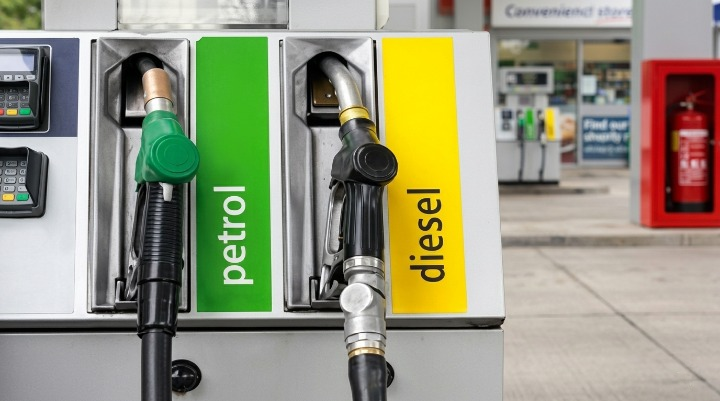
Rising Iran-related tensions are raising concerns over gas price increases, as global oil markets react to geopolitical uncertainty, potentially affecting fuel costs and consumer expenses.
WEBDESK – NJNEWSLINE
Iran Conflict Raises Fresh Concerns Over Gas Prices
Rising geopolitical tensions involving Iran have sparked renewed concerns over potential increases in gas prices, leaving drivers and market analysts closely watching global fuel trends. Any disruption in the region could quickly influence international oil supply chains.
Fuel prices are highly sensitive to global instability, and even early signals of conflict can create volatility in energy markets. This has led to uncertainty among consumers already dealing with fluctuating costs.
As discussions around regional conflict intensify, attention is shifting toward how global events could impact everyday expenses.
Why Iran Matters to Global Oil Prices
Iran plays a significant role in global energy markets due to its oil production capacity and its strategic location near key shipping routes. Any disruption in the region often raises concerns about supply shortages.
Oil markets react quickly to geopolitical risks, especially in regions connected to the Middle East, which supplies a large portion of the world’s crude oil.
Even the possibility of conflict can influence trading behavior, pushing prices upward before actual supply changes occur.
Impact on Gas Prices for Drivers
For everyday drivers, gas prices are often one of the most visible effects of global oil market changes. When crude oil prices rise, fuel costs at the pump typically follow.
Analysts warn that sustained instability could lead to short-term spikes in fuel prices, especially during periods of heightened uncertainty.
While prices do not always rise immediately, markets tend to react in anticipation of potential disruptions.
Market Volatility and Economic Pressure
Energy markets are already experiencing volatility due to inflation concerns and shifting global demand patterns. Adding geopolitical risk increases uncertainty for both consumers and businesses.
Higher fuel costs can also impact transportation, shipping, and production expenses, leading to broader inflationary pressure across multiple sectors.
Economists note that even temporary spikes in oil prices can influence long-term pricing strategies.
Government and Policy Monitoring
Governments and energy agencies closely monitor global conflicts that could affect oil supply routes or production levels. Strategic reserves and policy tools may be used to stabilize markets if needed.
Energy-importing countries often prepare contingency plans to manage sudden price increases.
These measures are designed to reduce the impact on consumers during periods of global instability.
Expat and Household Budget Impact Angle
For expatriates and households managing monthly budgets, fuel price changes can indirectly affect daily living costs, including transport, food delivery, and goods pricing.
Rising fuel costs can lead to increased commuting expenses and higher costs for essential services.
This makes global oil developments relevant even for individuals far from the conflict zone.
What This Means for Consumers
Consumers are advised to stay aware of fuel price trends, especially during periods of geopolitical uncertainty. While not all tensions lead to immediate price hikes, markets often react quickly to news.
Planning fuel usage and monitoring price fluctuations can help households manage expenses more effectively.
Experts suggest that awareness and timing play a key role in minimizing financial impact.
Future Outlook for Gas Prices
The future direction of gas prices will depend on how geopolitical tensions evolve and whether global supply chains remain stable.
If tensions ease, markets may stabilize. However, continued uncertainty could keep prices volatile in the short term.
Energy analysts expect ongoing fluctuations as global markets respond to political developments.
Closing Insight
Global energy markets remain deeply interconnected, and even regional conflicts can influence prices at the local pump, highlighting the sensitivity of modern fuel economics.
