

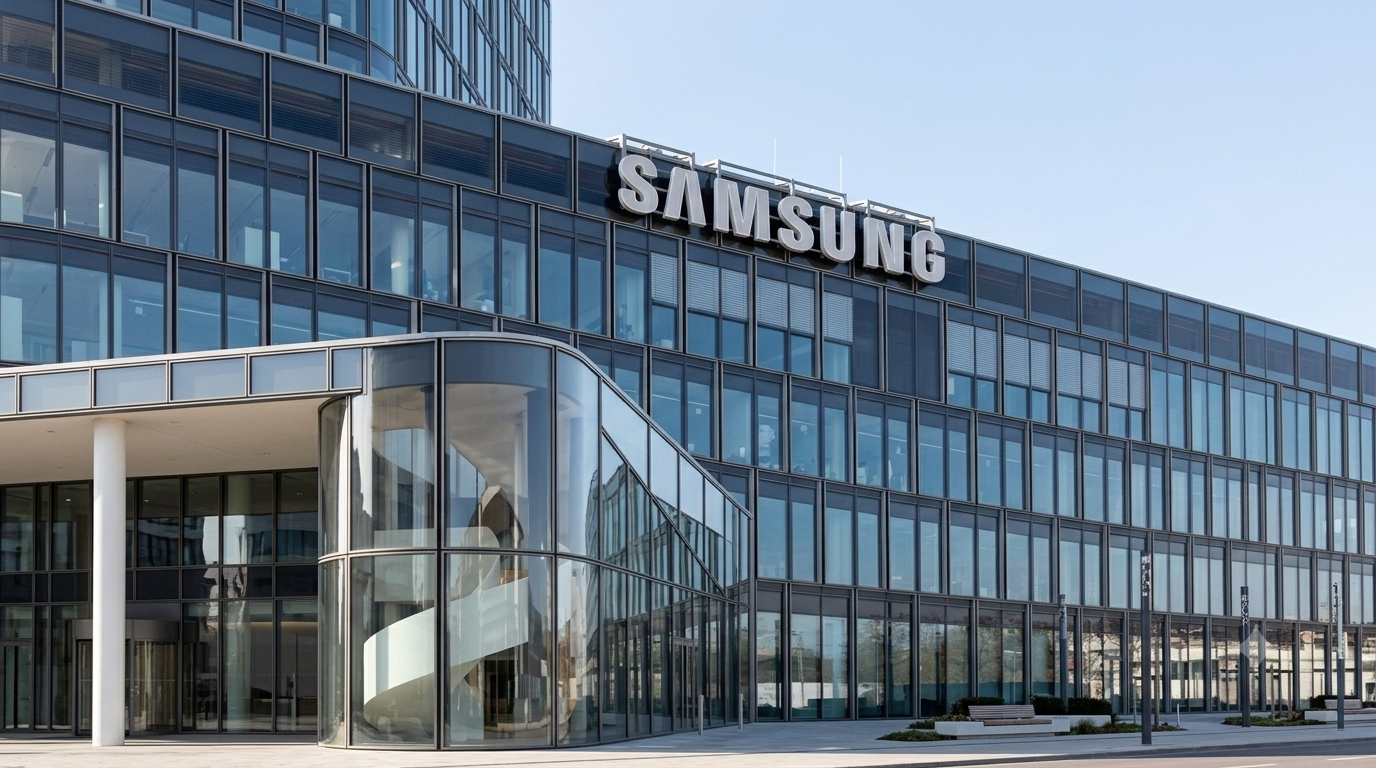
Samsung is relocating its U.S. headquarters from New Jersey to Texas, impacting around 1,000 employees. The move has sparked concerns over jobs, business costs, and corporate migration.
WEBDESK – NJNEWSLINE
Samsung has announced plans to relocate its U.S. headquarters from Englewood Cliffs, New Jersey, to Plano, Texas, a move expected to affect roughly 1,000 employees and reshape the company’s American operations. The transition is scheduled to be completed by the end of 2026 and marks one of the most significant corporate relocations of the year.
The decision comes less than a year after Samsung celebrated the opening of its new headquarters facility in New Jersey. The move has surprised employees, business leaders, and local officials who viewed the company’s recent investment in the state as a sign of a long-term commitment.
Samsung Confirms Major Headquarters Move
Samsung Electronics America said the relocation is part of a broader business transformation strategy designed to position the company for future growth and improve operational efficiency. According to the company, moving to Texas will help strengthen coordination across teams and align operations with key business priorities.
The company already maintains a substantial presence in Texas, particularly in Plano, where it operates an established corporate campus. Samsung also has major semiconductor investments in the state, making Texas an increasingly important hub for its U.S. operations.
While Samsung has not announced layoffs, the company acknowledged that organizational changes tied to the relocation could affect employees. Support programs are expected to be offered to impacted workers during the transition.
What Happens to the Workforce?
The biggest question surrounding the move involves the approximately 1,000 employees currently based in New Jersey. Many workers may be offered relocation packages, while others could face uncertainty if they choose not to move.
Industry observers note that relocating an entire headquarters operation is rarely straightforward. Employees often have family, housing, and educational commitments that make moving across the country difficult.
Reports indicate that Samsung intends to consolidate operations in Texas, although it remains unclear how much of the New Jersey facility will continue to be used after the headquarters relocation is completed.
Why Texas?
Texas has emerged as one of the most attractive destinations for major corporations in recent years. The state has successfully attracted technology firms, manufacturing investments, and corporate headquarters from across the country.
For Samsung, the move also places leadership closer to its growing semiconductor footprint. The company has invested billions of dollars in Texas chip manufacturing projects, including facilities in Austin and Taylor. These investments are central to Samsung’s long-term strategy in the United States.
Business analysts say consolidating headquarters operations near manufacturing and technology centers can improve efficiency, reduce operational complexity, and support faster decision-making.
Plano has also become a popular corporate destination. Several major companies have either relocated headquarters there or announced expansion plans in recent years, strengthening the city’s reputation as a business hub.
A Blow to New Jersey’s Business Landscape
Samsung’s departure has reignited debate about the challenges some states face in retaining large employers. Business organizations have pointed to concerns about operating costs, regulatory requirements, and overall competitiveness.
The relocation has become a talking point among economic development experts who view corporate migration trends as an important indicator of regional business attractiveness. Supporters of reform argue that states must continue improving conditions for employers to remain competitive in attracting investment and jobs.
At the same time, some analysts note that large corporations often make relocation decisions based on multiple factors, including proximity to operations, workforce availability, infrastructure, and long-term strategic planning.
Strategic Shift or Warning Sign?
The timing of Samsung’s announcement has drawn particular attention because the company only recently opened its modern headquarters facility in New Jersey. The rapid change has raised questions about how corporations evaluate long-term investments and adapt to evolving business priorities.
For employees, the move creates uncertainty. For Texas, it represents another high-profile corporate win. And for New Jersey, it serves as a reminder of the intense competition among states to attract and retain major employers.
As Samsung prepares to complete the transition by the end of the year, attention will remain focused on how many employees choose to relocate and what the move ultimately means for both states. One thing is clear: the relocation represents a major shift in Samsung’s U.S. strategy and could have lasting effects on hundreds of workers and the broader business community.
