

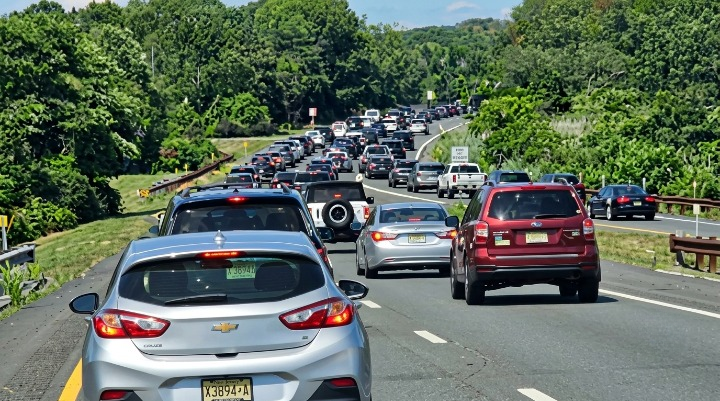
Jersey Shore traffic patterns show rising summer congestion, weekend delays, and coastal route pressure as tourism increases, prompting authorities to explore smarter traffic management solutions.
WEBDESK – NJNEWSLINE
Summer Traffic Surge Returns to Jersey Shore Roads
Traffic patterns across the Jersey Shore are showing noticeable seasonal shifts as summer travel activity increases. With beaches, boardwalks, and coastal attractions drawing large crowds, road congestion is once again becoming a major concern for commuters and tourists.
Authorities report that peak-hour delays are becoming more frequent, especially during weekends and holiday periods. The combination of local commuters and out-of-town visitors is creating pressure on key highways and feeder roads leading to coastal towns.
Transportation officials are closely monitoring these patterns to manage flow and reduce bottlenecks across major entry routes.
Weekend Congestion Becomes a Predictable Challenge
One of the most consistent trends identified in recent traffic observations is heavy weekend congestion. Friday evenings and Sunday returns are particularly affected as visitors travel to and from beach destinations.
Highways leading toward popular shoreline areas often experience slow-moving traffic for extended periods. Drivers are increasingly encouraged to plan trips outside peak hours to avoid delays.
Local authorities are also exploring traffic signal optimization and route management strategies to improve flow during high-demand periods.
Coastal Routes Face Highest Pressure Points
Certain coastal routes are experiencing significantly higher traffic pressure compared to inland roads. These include main access highways, bridge crossings, and routes connecting major beach towns.
Traffic bottlenecks are especially common near entertainment zones, parking areas, and boardwalk entrances. During peak summer weekends, these areas often see slowdowns due to pedestrian crossings and limited parking capacity.
Officials note that infrastructure limitations in older coastal towns contribute to recurring congestion challenges.
Seasonal Tourism Impact on Road Flow
Tourism remains the primary driver behind changing traffic patterns at the Jersey Shore. As visitor numbers increase during summer months, road usage rises sharply across the entire region.
Hotels, rental homes, and recreational spots contribute to daily inflows and outflows of vehicles. This seasonal surge creates a predictable but challenging traffic cycle that repeats every summer.
Experts suggest that improved public transport and park-and-ride systems could help reduce vehicle density during peak tourism periods.
Local Commuters Face Daily Delays
While tourists contribute heavily to seasonal congestion, local residents are also affected by daily delays. Commuters traveling for work or school often encounter extended travel times during peak hours.
Morning and evening rush periods have become more unpredictable, especially in areas close to coastal highways. This has led to increased frustration among residents who rely on these routes regularly.
Transportation planners are exploring long-term solutions to balance local commuting needs with seasonal travel demands.
Authorities Explore Traffic Management Solutions
Officials are evaluating several strategies to address ongoing traffic concerns. These include improved signage, real-time traffic alerts, and enhanced coordination between traffic control centers.
There is also growing interest in using digital navigation systems and smart traffic monitoring tools to manage congestion dynamically. These systems could help redirect vehicles away from heavily congested zones.
Long-term infrastructure upgrades are also being discussed, although such projects would require significant planning and investment.
Future Outlook for Jersey Shore Mobility
Traffic experts believe that Jersey Shore congestion will continue to follow seasonal patterns, with predictable peaks during summer months. However, improvements in planning and technology could help reduce delays over time.
Public awareness campaigns encouraging off-peak travel and alternative routes may also contribute to smoother traffic flow.
Despite ongoing challenges, authorities remain optimistic that coordinated efforts will improve overall mobility in the coming years.
Conclusion: Traffic Patterns Reflect a Seasonal Reality
The latest observations of Jersey Shore traffic patterns highlight a clear seasonal cycle driven by tourism and local travel needs. While congestion remains a challenge, ongoing monitoring and planning efforts aim to improve road efficiency.
As summer activity continues, both visitors and residents are expected to adapt to evolving traffic conditions across the coastal region.
