

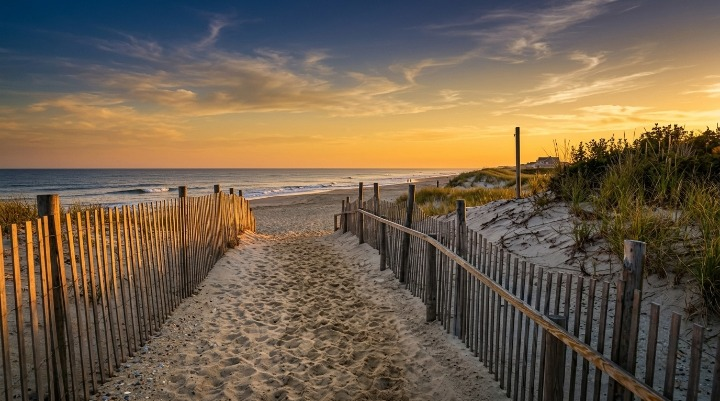
Jersey Shore experiences rising summer crowds, traffic congestion, and beach activity as 2026 tourism peaks, with authorities monitoring safety, weather conditions, and coastal management challenges.
WEBDESK – NJNEWSLINE
The Jersey Shore is experiencing another busy summer surge in 2026 as warm weather continues to draw large crowds to its beaches, boardwalks, and coastal towns.
Tourism activity has increased significantly, with visitors filling popular shoreline destinations during weekends and holidays. Local authorities are closely monitoring crowd levels and beach safety conditions.
The ongoing influx has turned the coastline into one of the busiest seasonal hotspots in the region.
Beaches across the Jersey Shore are reporting heavy footfall, especially during peak daytime hours. Families, tourists, and day-trippers are arriving early to secure space along the coastline.
Lifeguard stations have been fully active as swimming activity increases alongside rising temperatures. Officials are reminding visitors to follow safety instructions and stay within designated swimming zones.
Despite the congestion, beach tourism continues to remain a key attraction for the region.
One of the biggest challenges this summer has been traffic congestion leading into popular shore towns. Roads become heavily packed during morning and evening travel windows.
Parking shortages have also been reported in multiple areas, forcing visitors to arrive earlier or use alternative transport options. Local municipalities are working on managing the seasonal demand.
Transportation authorities are advising travelers to plan ahead and expect delays during weekends.
Warm and humid conditions have played a major role in increasing beach attendance across the region. However, sudden weather shifts have also raised concerns at times.
Occasional thunderstorms and changing ocean conditions require lifeguards and safety officials to remain alert. Temporary beach warnings are issued when necessary.
Despite this, most days remain favorable for tourism and outdoor activity.
Boardwalk destinations such as Asbury Park and Seaside Heights are witnessing strong visitor activity, with restaurants, shops, and entertainment venues benefiting from high seasonal demand.
Small businesses report increased sales due to the summer rush, particularly in food and leisure services. Seasonal employment has also risen in response to tourist demand.
However, officials are balancing economic benefits with crowd management concerns.
To manage the growing number of visitors, lifeguard coverage has been expanded across major beaches. Emergency response teams are also on standby during peak hours.
Warnings about rip currents and sudden tide changes are being issued regularly. Visitors are encouraged to pay attention to safety flags and announcements.
Authorities emphasize that most incidents can be prevented through awareness and caution.
While tourism brings economic benefits, some residents have raised concerns about overcrowding and environmental pressure on coastal areas.
Waste management and beach cleanliness have become key focus areas for local councils. Efforts are being made to maintain balance between tourism and sustainability.
Community discussions continue around long-term planning for peak summer seasons.
Officials expect continued high visitor numbers throughout the remaining summer weeks. Weather conditions will play a key role in determining crowd levels.
If warm temperatures continue, the Jersey Shore is likely to remain one of the most active coastal destinations in the region.
Authorities are preparing for sustained pressure on infrastructure and services.
The Jersey Shore remains a central summer attraction in 2026, drawing thousands of visitors daily despite challenges related to traffic, weather, and crowd management.
As tourism peaks, officials continue to focus on safety, sustainability, and maintaining a smooth visitor experience.
