

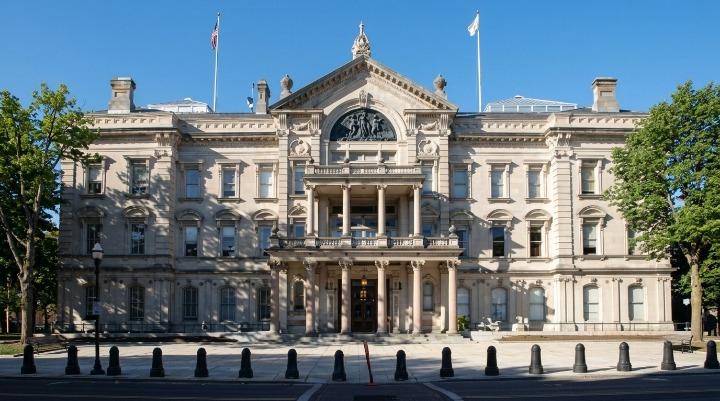
New Jersey has finalized its 2027 state budget, outlining spending priorities, public service funding and financial plans expected to shape the state’s economy and residents’ lives.
WEBDESK – NJNEWSLINE
New Jersey Finalizes 2027 Budget With Focus on Public Spending
New Jersey has approved its 2027 state budget, setting spending priorities that will guide government funding for the coming fiscal year.
State leaders say the budget is designed to support essential public services while addressing ongoing financial challenges. The spending plan now becomes the framework for state operations over the next year.
Budget Sets Spending Priorities
The newly approved budget allocates funding across major government departments, including education, transportation, healthcare and public safety.
Officials say the objective is to maintain critical services while balancing available financial resources.
Budget decisions were made following negotiations among state leaders.
The final plan reflects policy priorities for the new fiscal year.
Education and Infrastructure Receive Attention
Education remains one of the largest areas of public investment under the new budget.
Funding has also been directed toward transportation projects, infrastructure improvements and maintenance programs designed to support long-term development.
Officials believe these investments will strengthen public services across the state.
Infrastructure projects are expected to continue throughout the fiscal year.
Healthcare and Community Services Included
The budget also provides funding for healthcare programs and community services.
State agencies responsible for social support programs are expected to continue delivering assistance to eligible residents.
Officials say maintaining essential services remains a central goal of the spending plan.
Additional investments may support vulnerable communities.
Fiscal Challenges Continue
While approving the budget, policymakers acknowledged ongoing financial pressures.
Economic uncertainty, inflation and changing revenue forecasts continue influencing long-term fiscal planning.
Officials say future adjustments may be necessary depending on economic conditions.
Financial management remains an important priority.
Impact on Residents
The approved budget may influence public services that residents use daily, including schools, transportation systems and healthcare programs.
Although many changes will occur through government agencies, taxpayers may notice the effects over time as funded projects move forward.
State officials say the budget aims to balance investment with fiscal responsibility.
Public agencies will now begin implementing approved funding plans.
Economic Outlook
Economists will continue monitoring how the budget affects employment, investment and economic growth.
Government spending often influences infrastructure development, business activity and consumer confidence.
The effectiveness of the budget will become clearer as projects are launched throughout the fiscal year.
Revenue collections will also remain under close review.
With the budget approved, state departments can begin distributing funds according to legislative authorizations.
Agencies will oversee implementation while lawmakers continue monitoring spending throughout the year.
Future budget reviews may occur if economic conditions change significantly.
Officials will provide periodic updates on major programs.
The 2027 budget establishes New Jersey’s financial roadmap for the coming fiscal year.
State leaders expect funded initiatives to support public services while maintaining fiscal stability.
Observers will watch closely to see how the spending plan performs against economic expectations.
Its long-term impact will become more evident in the months ahead.
The approval of New Jersey’s 2027 state budget marks an important step in determining how public funds will be allocated during the coming year.
As agencies begin implementing the spending plan, residents, businesses and policymakers will closely monitor its effects on public services and the state’s financial outlook.
