

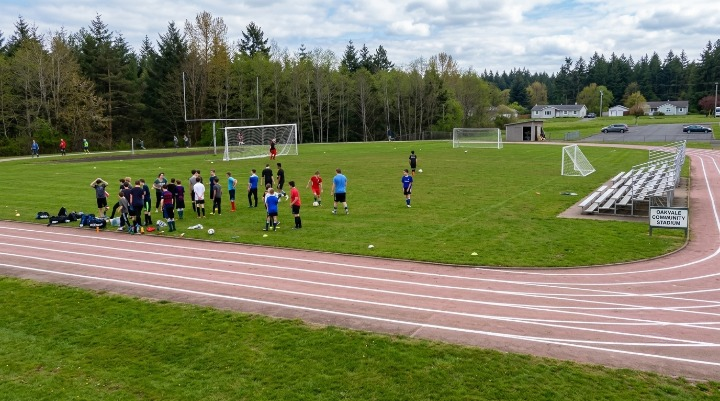
A New Jersey school district came close to eliminating middle school sports, but strong community support and fundraising efforts helped preserve athletic opportunities for students.
WEBDESK – NJNEWSLINE
Community action helps preserve middle school sports
A New Jersey school district has avoided eliminating its middle school sports programs after residents, parents, and local supporters rallied to help overcome a major budget challenge.
The district had considered cutting athletics as officials worked to reduce spending. The proposal quickly drew widespread concern from families who argued that sports are an important part of students’ education and personal development.
Support from the community ultimately created a path forward, allowing school leaders to continue offering athletic programs instead of ending them.
Budget pressures forced difficult decisions
School districts across the country continue to face rising operating costs, making budget planning increasingly difficult.
Local officials reviewed several options to balance spending, including reductions affecting extracurricular activities. Middle school athletics became one of the programs at risk because of financial constraints.
The proposal generated strong public interest as families expressed concern about the impact on students.
Parents and residents quickly organized
Once news of the possible cuts spread, parents, coaches, students, and community members began working together to support the programs.
Residents attended school board meetings, shared their concerns, and encouraged district leaders to find alternatives that would allow sports to continue.
Many supporters emphasized that athletics teach teamwork, discipline, leadership, and healthy lifestyles while helping students remain engaged in school.
Fundraising became part of the solution
Community members also explored fundraising efforts and other financial support that could reduce pressure on the district’s budget.
Local organizations and volunteers discussed ways to help offset athletic expenses while maintaining equal opportunities for student participation.
The willingness of residents to contribute demonstrated the strong value many families place on extracurricular programs.
Why middle school sports matter
Education experts often note that athletics provide benefits extending far beyond competition.
Students who participate in sports frequently develop communication skills, confidence, responsibility, and time-management habits that can support academic success.
For many young people, school sports also create friendships and a stronger connection to their school community.
Families argued that eliminating these opportunities could reduce student engagement during an important stage of education.
School leaders welcomed community involvement
District officials acknowledged the public response and worked with community members to evaluate possible solutions.
Rather than permanently ending the programs, leaders focused on identifying ways to keep athletics available while continuing to address financial challenges.
The collaborative approach highlighted the importance of communication between schools and local residents during difficult budget decisions.
Financial challenges remain
Although middle school sports have been preserved, school officials recognize that long-term financial planning remains necessary.
District leaders will continue reviewing future budgets while monitoring costs, enrollment trends, and available funding.
Supporters hope continued community involvement can help protect extracurricular opportunities in the years ahead.
A reminder of local priorities
The outcome illustrates how community participation can influence decisions affecting public education.
Parents, students, educators, and residents demonstrated that when communities unite around a shared goal, they can help shape solutions that benefit young people.
For many families, preserving middle school athletics was about more than games and competitions. It represented an investment in student well-being, personal growth, and school pride.
As districts nationwide face ongoing financial pressures, this experience may serve as an example of how collaboration and public engagement can help schools balance budgets while maintaining programs that matter to students.
