
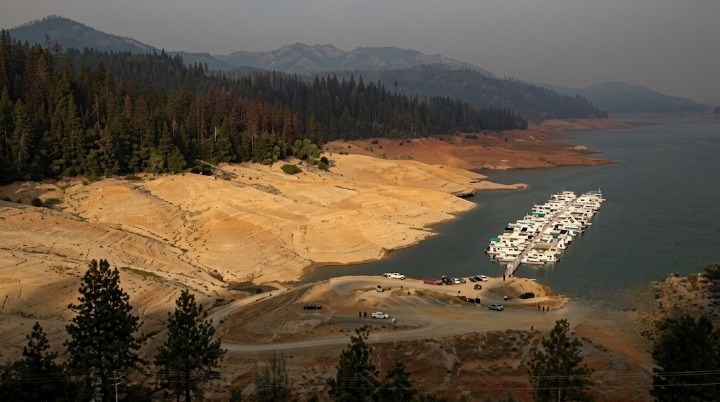
A lingering drought warning has prompted officials to urge residents to reduce water use through practical conservation methods at home, outdoors, and in daily routines across affected areas.
WEBDESK – NJNEWSLINE
Drought Warning Continues as Officials Urge Immediate Water Conservation
A lingering drought warning remains in effect across parts of New Jersey, prompting officials to urge residents to reduce water usage immediately. The concern centers on sustained dry conditions that have reduced soil moisture, stressed water supplies, and increased pressure on reservoirs.
Authorities say the situation is not yet classified as a severe emergency, but continued low rainfall and higher-than-normal water demand could worsen conditions. As a result, conservation efforts are being strongly encouraged at the household level.
Officials emphasize that small daily changes, when adopted widely, can significantly reduce overall water consumption and help stabilize supply during dry periods.
Why Water Conservation Has Become Urgent Now
The ongoing drought warning reflects a pattern of below-average rainfall combined with seasonal temperature increases. This combination has led to faster evaporation rates and reduced groundwater recharge.
Water systems are currently under moderate strain, especially in residential areas where outdoor usage increases during warmer months. Lawn irrigation, gardening, and car washing are among the biggest contributors to elevated consumption.
Experts warn that without reduced usage, the region could see tighter restrictions if conditions persist or worsen over the coming weeks.
Indoor Water-Saving Habits That Make a Difference
One of the most effective ways to conserve water is through indoor behavioral changes. Simple actions such as turning off taps while brushing teeth, fixing leaking faucets, and using efficient washing machine settings can save thousands of gallons annually.
Households are also encouraged to run dishwashers and laundry machines only with full loads. This reduces the frequency of cycles and minimizes unnecessary water waste.
Replacing older fixtures with low-flow showerheads and dual-flush toilets can further reduce long-term water consumption without affecting daily comfort.
Outdoor Usage Under Focus During Dry Conditions
Outdoor water use is one of the largest contributors to household consumption during drought conditions. Lawn watering schedules are being closely watched, with recommendations to limit irrigation to early morning or late evening hours.
Officials advise residents to avoid watering driveways or sidewalks and to adjust sprinkler systems to prevent runoff. Even small changes in timing and technique can significantly reduce water loss through evaporation.
Landscaping choices also play a role, with drought-resistant plants being promoted as a sustainable alternative for long-term conservation.
Car Washing, Pools, and Recreational Use
Non-essential water use, such as frequent car washing and pool filling, is also being discouraged during the drought warning period. Residents are encouraged to reduce the frequency of these activities or switch to more water-efficient methods.
Commercial car washes often use recycled water systems, making them a more efficient option compared to home washing. Pool covers are also recommended to reduce evaporation loss.
Even small reductions in recreational water use contribute to easing pressure on local water systems.
Fixing Hidden Leaks and Preventing Waste
Hidden leaks are often one of the biggest sources of water loss in homes. A dripping faucet or running toilet can waste hundreds of gallons of water per month without being noticed.
Officials encourage residents to regularly check plumbing systems, monitor water bills for unusual spikes, and repair issues promptly. Early detection is key to preventing long-term waste.
Even small leak repairs can collectively make a significant impact when adopted across entire communities.
Community Role in Managing the Drought Warning
Local authorities emphasize that drought response is not only an individual responsibility but also a community effort. Public awareness campaigns are being used to encourage conservation habits across neighborhoods, schools, and businesses.
Water utilities are also monitoring usage trends and may issue additional guidance if consumption does not decrease. Community cooperation is seen as essential to avoiding stricter restrictions.
Public participation in conservation efforts can help extend available water resources during dry periods.
Will Conditions Improve Soon?
Weather outlooks suggest that relief will depend heavily on upcoming rainfall patterns. While short-term showers may provide temporary improvement, sustained precipitation is needed to fully recover water levels.
Until then, officials continue to monitor drought indicators closely, including reservoir levels and soil moisture data. Conservation remains the most immediate tool available to stabilize supply.
Residents are being urged to maintain water-saving habits even if conditions appear to improve temporarily.
Bottom Line
A lingering drought warning has placed renewed focus on water conservation efforts. Through simple household changes, outdoor restrictions, and community cooperation, officials hope to reduce demand and prevent worsening conditions in the weeks ahead.
