
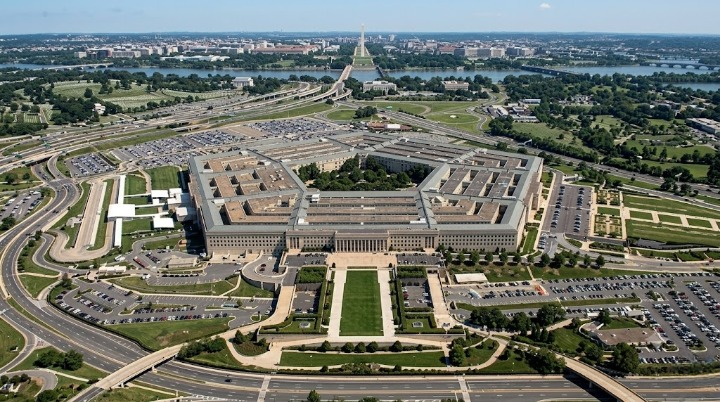
A Pentagon appointment has triggered political controversy and scrutiny, raising questions over vetting, decision-making authority, and internal governance as lawmakers and officials demand clarity and accountability.
WEBDESK – NJNEWSLINE
Pentagon Appointment Under Scrutiny as Political Pressure Builds
A recent appointment tied to the Pentagon has sparked widespread controversy in political and defense circles, raising concerns about the selection process, vetting standards, and decision-making transparency. The situation has quickly escalated into a broader debate over accountability in national defense leadership.
The controversy centers on questions about how the appointment was approved and whether proper internal procedures were followed. Lawmakers and policy observers are now demanding detailed explanations from defense leadership.
While officials have not confirmed any procedural violations, the growing attention has placed significant pressure on the department to clarify its position.
Questions Raised Over Vetting and Approval Process
At the heart of the issue are concerns regarding the vetting process used for high-level or sensitive Pentagon-related appointments. Critics argue that stronger background checks and review systems may be needed to prevent potential lapses.
Some political voices have suggested that the appointment process may have moved too quickly, bypassing standard layers of review. Others insist that existing protocols were followed correctly but acknowledge the need for greater transparency.
Defense analysts note that even the perception of irregularity can be enough to trigger institutional scrutiny, especially in agencies dealing with national security.
Lawmakers Demand Transparency and Formal Review
The controversy has prompted calls from lawmakers for a formal review of how the appointment was handled. Several political figures are seeking documentation related to the approval chain, internal recommendations, and final authorization.
Congressional interest in the matter reflects broader concerns about oversight of defense institutions. Some officials are pushing for hearings to determine whether policy changes are needed to strengthen accountability.
Supporters of increased scrutiny argue that public trust in defense institutions depends on clear and transparent appointment procedures.
Pentagon Response Emphasizes Internal Procedures
In response to growing criticism, defense officials have emphasized that internal protocols exist to ensure all appointments are reviewed and approved according to established guidelines. They maintain that decisions are made through structured channels involving multiple levels of oversight.
However, officials have also acknowledged the need to address public concerns and clarify how the process was applied in this specific case.
The Pentagon is expected to release additional information or statements aimed at addressing questions raised by lawmakers and the public.
Political Debate Expands Beyond the Appointment Itself
What began as a personnel-related issue has now expanded into a wider political debate about governance, transparency, and institutional trust within defense operations. Different political groups have interpreted the situation in contrasting ways.
Some argue the controversy highlights systemic weaknesses that need reform, while others view it as political overreaction to an administrative decision. This divide has intensified discussions across media and policy platforms.
Experts suggest that such controversies often become symbolic battles over broader governance principles rather than isolated incidents.
National Security Oversight Back in Focus
The incident has also renewed attention on how national security institutions are overseen and how appointment systems are structured. Analysts say that even routine staffing decisions can carry significant weight when they involve defense infrastructure.
Calls for reform include stronger vetting mechanisms, improved transparency in selection processes, and clearer communication between defense agencies and oversight bodies.
While no immediate policy changes have been announced, pressure is building for a structured review of existing systems.
What Happens Next in the Pentagon Controversy?
The next phase is likely to involve increased scrutiny from both legislative bodies and internal review offices. Depending on findings, the controversy could lead to procedural adjustments or policy clarification within defense appointment systems.
Officials are expected to continue addressing questions while attempting to stabilize public confidence in the process. Lawmakers, meanwhile, are likely to pursue further hearings or documentation requests.
For now, the situation remains under active review, with political and institutional implications still unfolding.
Bottom Line
A Pentagon appointment controversy has triggered broader questions about transparency, vetting, and accountability in defense leadership. As scrutiny intensifies, the issue continues to evolve into a wider debate over governance and oversight.
