

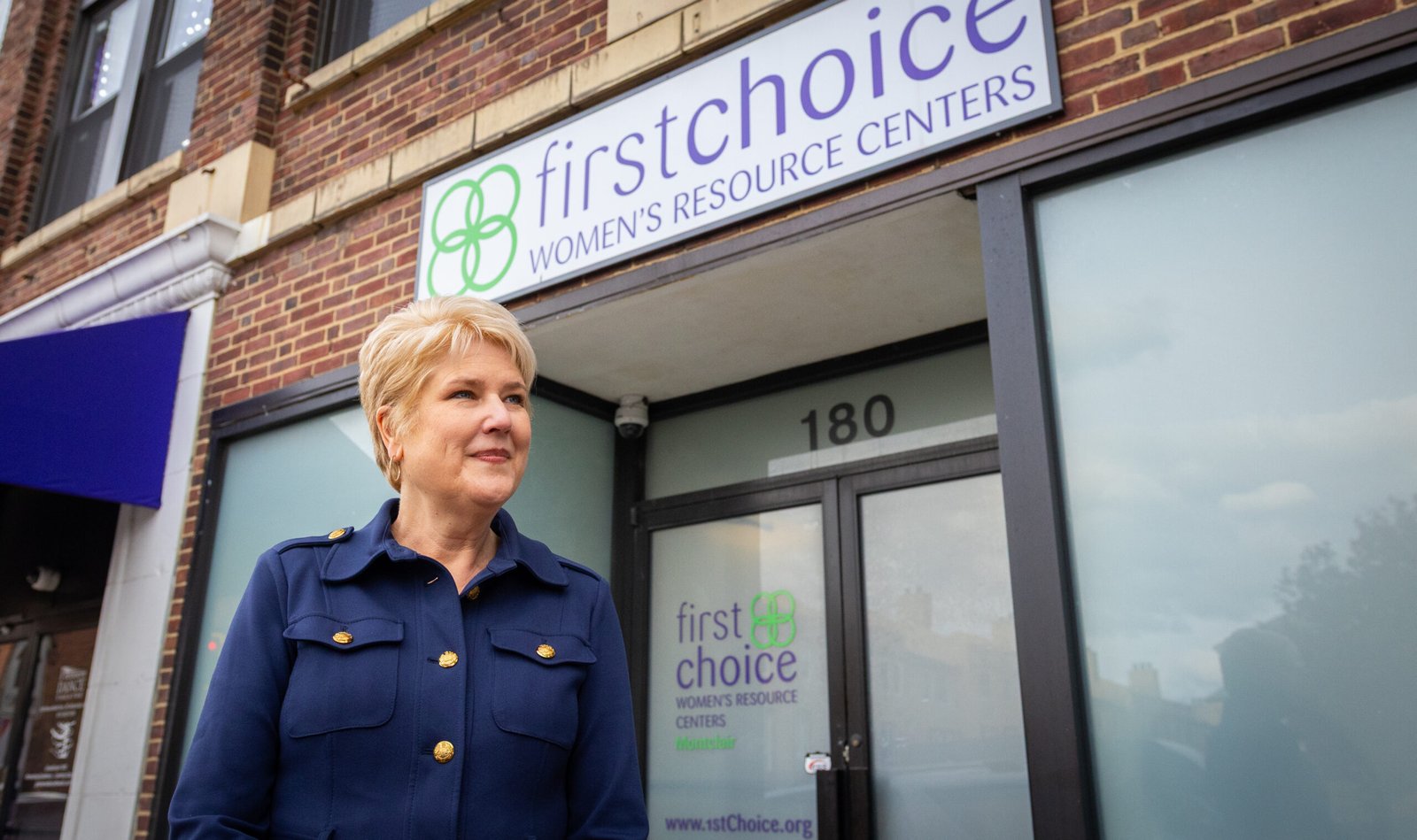
U.S. Supreme Court rules that faith-based pregnancy centers can challenge a New Jersey subpoena in federal court, citing First Amendment concerns over donor privacy and freedom of association.
WEBDESK – NJNEWSLINE
The Supreme Court of the United States, on April 29, unanimously ruled that a group of faith-based pregnancy centers can sue the state of New Jersey in federal court to block a subpoena seeking access to donor records, marking a significant First Amendment decision.
Writing for the court, Neil Gorsuch said the subpoena issued against First Choice Women’s Resource Centers posed a direct threat to the group’s constitutional right to free association.
“An official demand for private donor information is enough to discourage reasonable individuals from associating with a group,” Gorsuch wrote, emphasizing that even the threat of disclosure could have a chilling effect.
The case stems from a 2023 subpoena issued by then-New Jersey Attorney General Matthew Platkin, who accused the organization of misleading donors and clients through its messaging around abortion services.
Platkin had sought extensive records, including donor identities—information typically kept confidential to protect supporters from potential backlash or pressure. The pregnancy centers argued that such demands violated their First Amendment rights.
Lower courts had previously ruled that the group could not pursue its claims in federal court until state courts enforced the subpoena. However, the Supreme Court rejected that position, stating that the legal threat alone constituted sufficient injury to proceed.
Gorsuch also dismissed the state’s arguments that the subpoena was not immediately enforceable, that it did not significantly burden donor participation, and that confidentiality assurances would mitigate concerns.
The court warned that such reasoning could trap organizations in a legal dead end, preventing them from ever properly challenging constitutional violations.
The pregnancy centers are represented by Alliance Defending Freedom, which hailed the decision as a major victory for constitutional protections.
Attorney Erin Hawley, who argued the case, said the ruling affirms that the government cannot target organizations based on their beliefs.
“New Jersey’s attorney general targeted First Choice simply because of its pro-life views,” Hawley said, calling the move unconstitutional.
The decision sends the case back to federal court, where the broader dispute over the subpoena and alleged violations of free speech and association rights will now be heard.
