

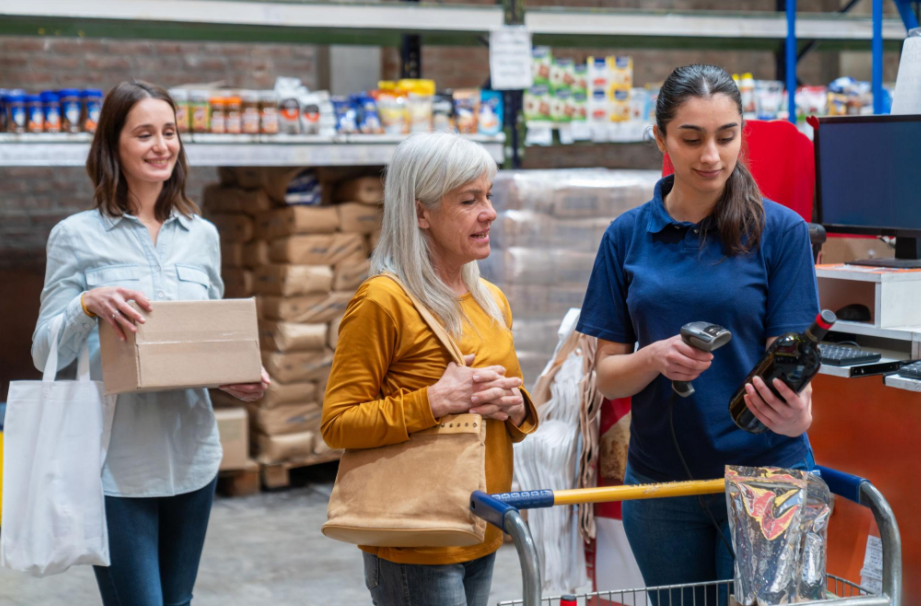
Major retailers, including Walmart, Target, and Costco, are reducing the use of self-checkout systems as theft rises and lawmakers push new rules limiting automated checkout use across the United States.
WEBDESK – NJNEWSLINE
Major U.S. retailers are rethinking self-checkout systems, with companies like Walmart, Target, and Costco scaling back or modifying the technology as theft concerns grow and lawmakers consider stricter regulations.
Walmart has begun removing self-checkout machines from select stores, including a recent shift in South Philadelphia, replacing them with traditional cashier lanes. The company said the move is aimed at improving customer service and streamlining checkout experiences.
“These changes are guided by feedback from associates and customers,” a company spokesperson said, emphasizing efficiency and personalized service.
However, industry experts point to rising shoplifting as a key driver behind the shift. A 2025 survey by LendingTree found that 69% of self-checkout users believe the systems make theft easier. The survey also reported that 27% admitted to intentionally not scanning items, while 36% said they had accidentally left without scanning products.
Retail analysts say both deliberate theft and unintentional errors have made self-checkout a costly model. “Largely unattended self-checkouts provide a potential opportunity for folks to help themselves,” said LendingTree analyst Matt Schultz.
Other retailers are also adjusting their strategies. Walmart-owned Sam’s Club has shifted toward AI-powered “scan and go” technology, while Costco is expanding a hybrid model where employees scan items in customers’ carts before checkout.
Meanwhile, lawmakers across several states—including New York, California, and Massachusetts—are proposing or implementing regulations to limit self-checkout usage. Proposed measures include requiring a minimum number of staffed lanes, restricting item counts, and mandating employee supervision ratios.
In New York City, Council member Amanda Farías has introduced legislation to impose a 15-item limit on self-checkout lanes and require one employee for every three machines.
“We’ve seen the consequences of removing workers from these spaces,” Farías said, citing increased theft and reduced safety.
Retail experts say the trend signals a broader recalibration rather than a complete abandonment of automation, as companies seek to balance efficiency with security and customer experience.
The evolving approach underscores the challenges retailers face in integrating technology while maintaining oversight in an increasingly complex shopping environment.
