

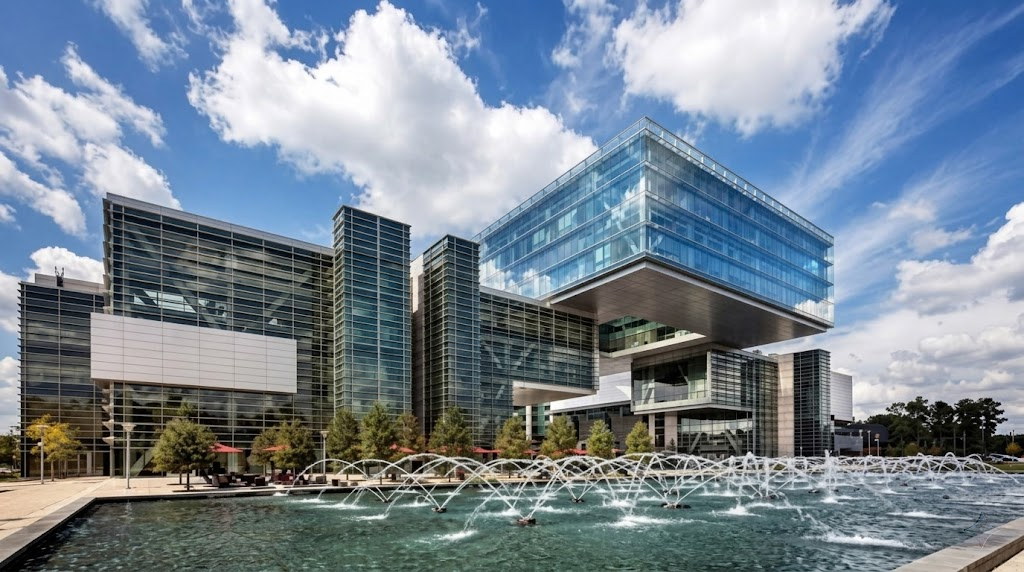
Exxon Mobil is relocating operations to Texas, while NJ PBS gains a new future at Montclair State University, signaling major changes in energy and public broadcasting landscape.
WEBDESK – NJNEWSLINE
A major corporate and media shake-up is unfolding as Exxon Mobil prepares to move operations out of the state while public broadcaster NJ PBS secures a new long-term home at Montclair State University.
The dual developments highlight shifting economic and institutional priorities, with one major energy company exiting and a key public media outlet finding renewed stability.
Together, these changes mark a significant transition for both the corporate and cultural landscape, affecting jobs, media operations, and long-term regional planning.
Exxon’s Exit Marks Major Corporate Shift
Exxon Mobil’s decision to relocate operations represents one of the most significant corporate moves in recent years.
The energy giant’s transition to Texas is part of a broader trend of large companies restructuring operations in response to business costs, regulatory environments, and strategic expansion opportunities.
While specific job impact details have not been fully disclosed, such moves typically involve the redistribution of administrative, technical, and executive roles.
The relocation adds to a growing pattern of corporations shifting headquarters or major divisions to states with lower operating costs and stronger industrial infrastructure.
What This Means for Employees
For employees, the move introduces uncertainty and potential relocation decisions.
Workers tied to headquarters or regional offices may be offered transfer opportunities, while others could face changes in job structure or location.
Corporate relocations of this scale often come with phased transitions that stretch over months or even years.
Human resources teams typically implement relocation packages, training programs, and support systems to manage workforce transitions during such major shifts.
NJ PBS Gets a New Institutional Home
In contrast to corporate relocation, NJ PBS is entering a new phase of stability through its move to Montclair State University.
The partnership aims to strengthen public broadcasting operations while integrating media production, education, and journalism training within a university environment.
Officials say the arrangement will support long-term sustainability for public media while expanding student opportunities in broadcasting and digital content creation.
This move is seen as a strategic effort to secure the future of public television in an evolving media landscape.
Strengthening Public Media Through Education
By aligning with a major university, NJ PBS is expected to gain access to academic resources, production facilities, and emerging talent.
The collaboration could also help develop new programming focused on education, culture, and community storytelling.
University-based media partnerships have become increasingly common as traditional broadcasting adapts to digital-first audiences.
Experts believe this model helps public media remain relevant while training the next generation of journalists and content creators.
Economic and Cultural Ripple Effects
The two developments reflect broader changes in both corporate America and public institutions.
Exxon’s departure signals ongoing competition among states to attract large energy and industrial companies, often driven by tax structures and infrastructure advantages.
Meanwhile, NJ PBS’s relocation into an academic setting highlights how media organizations are seeking sustainable models in a rapidly changing industry.
Both moves will likely have long-term implications for employment, investment, and regional influence.
Energy Sector Trends Continue to Shift
The energy industry has seen increasing geographic realignment in recent years.
Companies are consolidating operations in regions that offer access to resources, transportation networks, and favorable regulatory conditions.
Texas, in particular, has become a major hub for oil, gas, and energy infrastructure development.
Exxon’s move adds to this trend, reinforcing the state’s position as a central player in the U.S. energy economy.
Public Broadcasting Faces New Era
Public media organizations are also navigating significant transformation as funding models and audience behavior evolve.
Digital streaming, on-demand content, and online platforms have reshaped how audiences consume news and educational programming.
By embedding itself within an academic institution, NJ PBS is positioning itself to adapt to these changes while maintaining its public service mission.
This shift could serve as a model for other regional broadcasters seeking long-term sustainability.
What Happens Next?
Both transitions are expected to unfold over an extended timeline, with gradual operational changes rather than immediate disruption.
Exxon’s relocation process will likely involve phased movement of departments and personnel.
NJ PBS will continue integrating with Montclair State University as new programming and educational initiatives develop.
Together, these changes reflect a broader realignment of both corporate and media landscapes, signaling a period of transformation across industries.
