

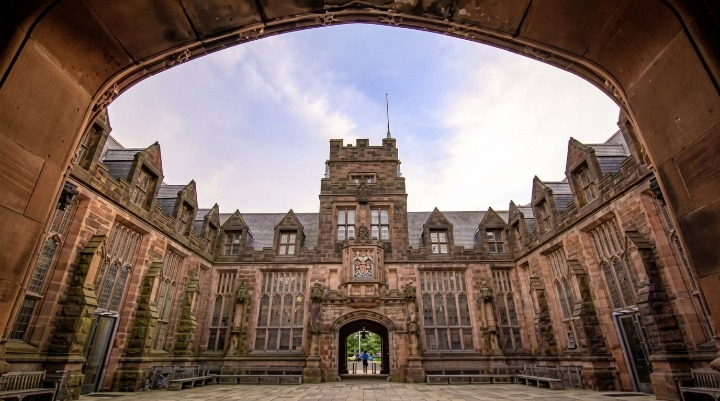
Princeton’s Revolutionary War legacy continues drawing attention as historians revisit why British forces labeled the university the “Nursery of Rebellion” during America’s fight for independence.
WEBDESK – NJNEWSLINE
Princeton’s Revolutionary Legacy Returns to the Spotlight
Princeton’s historic connection to the American Revolution is receiving renewed attention as historians revisit why British officials once referred to the university as the “Nursery of Rebellion.”
The phrase reflected the institution’s significant influence during the struggle for independence, when students, faculty members, and local leaders became deeply involved in the revolutionary movement.
Today, Princeton remains one of the country’s most historically important educational institutions.
A University at the Heart of Revolution
During the Revolutionary War, Princeton became more than an academic institution.
Its campus and surrounding community played an active role in events that helped shape America’s path toward independence.
Many individuals associated with the university supported revolutionary ideals through military service, leadership, and political involvement.
This involvement attracted the attention of British authorities.
Why the British Used the Nickname
British officials reportedly viewed Princeton as a center where revolutionary ideas gained momentum.
The university’s intellectual environment encouraged debate about liberty, self-government, and political change.
As revolutionary support expanded, the institution developed a reputation for producing influential leaders committed to independence.
The nickname reflected growing British concern about Princeton’s influence.
Revolutionary Figures Passed Through Princeton
Several prominent political leaders, military officers, and scholars had connections to Princeton during the revolutionary era.
Many graduates later contributed to the development of the new American government.
Their influence extended beyond the battlefield into law, education, and public service.
Historians continue studying the university’s role in shaping national leadership.
Princeton’s Place in American History
The university’s historical importance reaches beyond education.
The surrounding town witnessed significant military activity during the Revolutionary War, including important campaigns and strategic movements.
Historic buildings and landmarks still preserve reminders of those events.
Visitors continue exploring these locations to better understand America’s founding.
Historic Preservation Continues
Museums, archives, and preservation groups continue protecting documents and sites connected to Princeton’s revolutionary past.
Educational programs regularly introduce students and tourists to the area’s historical significance.
Preservation efforts help ensure future generations understand the events that unfolded there.
Local organizations also host exhibitions and historical tours.
Tourism Benefits From Historic Interest
Princeton attracts visitors interested in American history, higher education, and Revolutionary War landmarks.
Historic attractions contribute to the local economy by supporting hotels, restaurants, museums, and guided tours.
Educational tourism remains an important part of the community’s identity.
Many travelers include Princeton when visiting other nearby historic destinations.
Educational Value Remains Strong
Teachers, historians, and researchers continue using Princeton’s revolutionary history to explain America’s founding.
Historical documents and preserved sites provide valuable insight into the political and military struggles of the eighteenth century.
The university’s past remains an important resource for academic study.
Public interest has remained strong ahead of nationwide historical commemorations.
As interest in Revolutionary War history continues to grow, Princeton is expected to remain a key destination for researchers and visitors.
Upcoming educational events and heritage programs may further highlight the university’s contribution to American independence.
Officials continue supporting preservation and public education initiatives.
The story behind the “Nursery of Rebellion” nickname continues to fascinate history enthusiasts.
Princeton’s Revolutionary War legacy remains one of the most significant chapters in American educational history.
Its role in encouraging ideas that shaped the nation’s founding continues attracting historians, students, and visitors alike.
The famous nickname serves as a reminder of the university’s lasting place in the story of American independence.
