

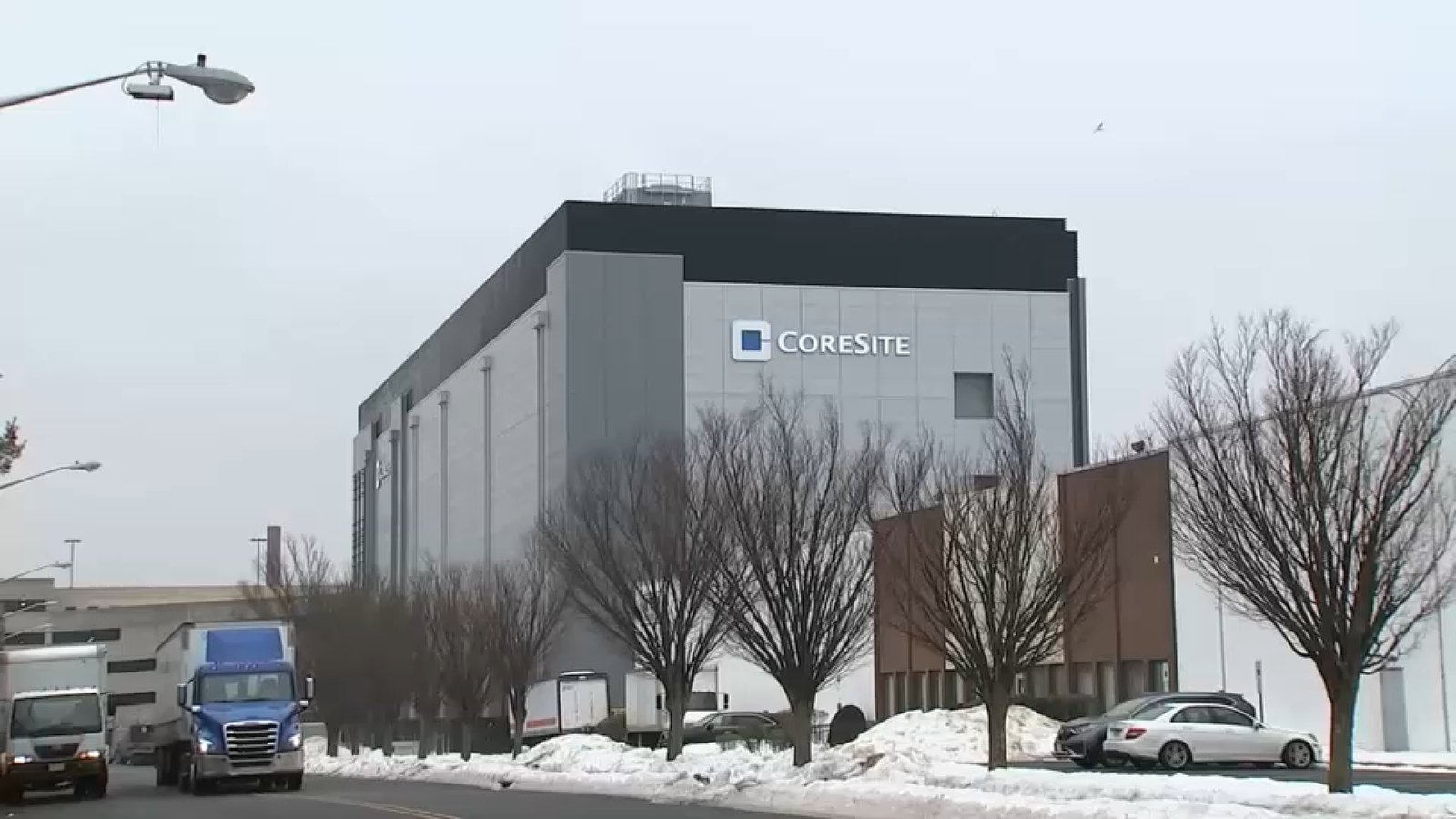
More than 60 environmental, labor, and civil rights organizations in New Jersey have called for an immediate pause on large-scale AI data center projects, warning that unchecked growth could raise electricity costs, strain water resources, and damage local communities.
WEBDESK – NJnewsline
A coalition of over 60 organizations across New Jersey has urged Gov. Mikie Sherrill to immediately impose a moratorium on new artificial intelligence data center projects, intensifying a growing national debate over the environmental and economic impact of the booming AI industry.
In a letter signed Thursday, the groups demanded a temporary halt on approving and constructing data centers consuming at least 20 megawatts of electricity until stricter statewide regulations are introduced.
“A 20-megawatt data center uses as much electricity as all the homes in Montclair,” the coalition wrote, warning that rapid industry expansion could lead to higher utility bills and long-term environmental damage.
The signatories include prominent organizations such as American Civil Liberties Union, The Nature Conservancy, the Pinelands Alliance and the New Jersey Highlands Coalition.
The governor’s office had not responded publicly to the request at the time of reporting.
The pushback comes as AI-driven data center development accelerates across the United States. Residents and advocacy groups in multiple states have raised concerns about soaring electricity demand, heavy water consumption and persistent noise pollution linked to massive server facilities powering artificial intelligence systems.
According to the National Conference of State Legislatures, at least 14 U.S. states are considering restrictions or moratoriums tied to data center growth, though no statewide bans have yet become law.
New Jersey currently hosts around 80 data centers, primarily concentrated in the northern part of the state, according to industry tracker DataCenterMap. While only a limited number are dedicated to AI operations today, demand is projected to surge sharply by 2030 as artificial intelligence adoption expands.
One of the state’s largest AI infrastructure projects is already underway in Vineland, where a 2.6 million-square-foot AI data center is being built under a $17 billion agreement to provide computing power for Microsoft. Nearby residents have complained about continuous humming noise from the facility, saying it has disrupted their sleep and daily life.
Opposition has also emerged in communities such as Monroe Township and Andover Township, where local authorities moved to block future data center developments following public protests.
Environmental advocates argue the rapid expansion threatens to increase greenhouse gas emissions, pressure water supplies and worsen pollution levels. They also claim residents may ultimately bear the cost through rising electricity rates.
Industry groups, however, defend the projects as critical digital infrastructure supporting modern online services, including telehealth, cloud computing, digital media and e-commerce. The Data Center Coalition says the sector supported more than 96,000 jobs and contributed over $17 billion to New Jersey’s economy in 2023.
Meanwhile, state lawmakers are considering several bills that would tighten oversight of large-scale data centers, including proposals requiring detailed reporting on energy and water use and limiting the costs passed on to residents.
New Jersey has simultaneously been encouraging AI investment. In 2024, former Gov. Phil Murphy launched the state’s first tax incentive program targeting AI and data center projects. One of the first beneficiaries was CoreWeave, which received $250 million in tax credits and is preparing to open a nearly 400,000-square-foot facility in Kenilworth.
The coalition behind the moratorium campaign says a temporary pause would allow lawmakers to properly assess the industry’s long-term impact before approving additional projects.
“Taking a measured pause now will help ensure that decisions made today do not create irreversible harm tomorrow,” the groups said in their letter.
